Category: Featured Blend

Romantasy 101

One of the hottest genres in publishing these days is one that hasn’t been around long: ROMANTASY.  It’s not everyday that a new genre pops up, especially one that is a genre blend, so I definitely wanted to cover it here.

Romantasy is a combination of two genres: romance and fantasy. In a romance, no matter what happens plot-wise, the focus is on the emotional connection between characters, with their attraction and affection building and developing over the course of the story. Their love story is an arc that may have ups and downs, but it always ends in a Happy Ever After (HEA). Fantasy, on the other hand, is a genre with a focus on setting, with elaborate worldbuilding that involves magical elements both strange and wonderful. When you combine the two genres, you should get both those magical worlds and an intense emotional relationships. The balance between the genres and which elements get the lion’s share of the author’s attention varies widely in this genre blend.

Genre, at its most basic heart, is really just a handle to put on a book – usually by a book marketer, but sometimes organically applied by readers. That handle is meant to help people find books that provide a similar reading experience. Eventually, the reading experience is recognizable enough and there is enough volume and staying power for a new genre to warrant having a BISAC (Book Industry Standards and Communications) code (used by bookstores to categorize and shelve books) and a Library of Congress subject heading (used by libraries to catalog books). For romantasy, we’re not there yet, with publishers using the BISAC of “FICTION / Romance / Fantasy” for books that are romance forward and  “FICTION / Fantasy / Romance” for books that are more fantasy forward. As a librarian, don’t even get me started on how behind the trends the Library of Congress is with genre subject headings. I could rant. But even before the official heading, book marketers will glom onto a genre name and slap it on books, usually to capitalize on the success of a tentpole book. Thus is our current state of affairs with Romantasy.

While I’m not on TikTok, I don’t live under a rock. A few years ago there was a series of books that took the book wing of TikTok – known as BookTok – by storm. Countless posts appeared their and on Instagram from passionate readers about their love of books that combined fantasy worldbuilding with swoony romance to provide a reading experience they called “Romantasy”.  Most would say that the early tentpole author for Romantasy was Sarah J. Maas, whose A Court of Thorns and Roses kicked off the series of the same name in 2015. But as popular as Maas became on BookTok, especially during the pandemic, one author does not a genre make. Soon aspiring writers, publishers, and marketers saw the success of Maas with not only ACOTAR, but her Throne of Glass and Crescent City series, and the Romantasy wave began.

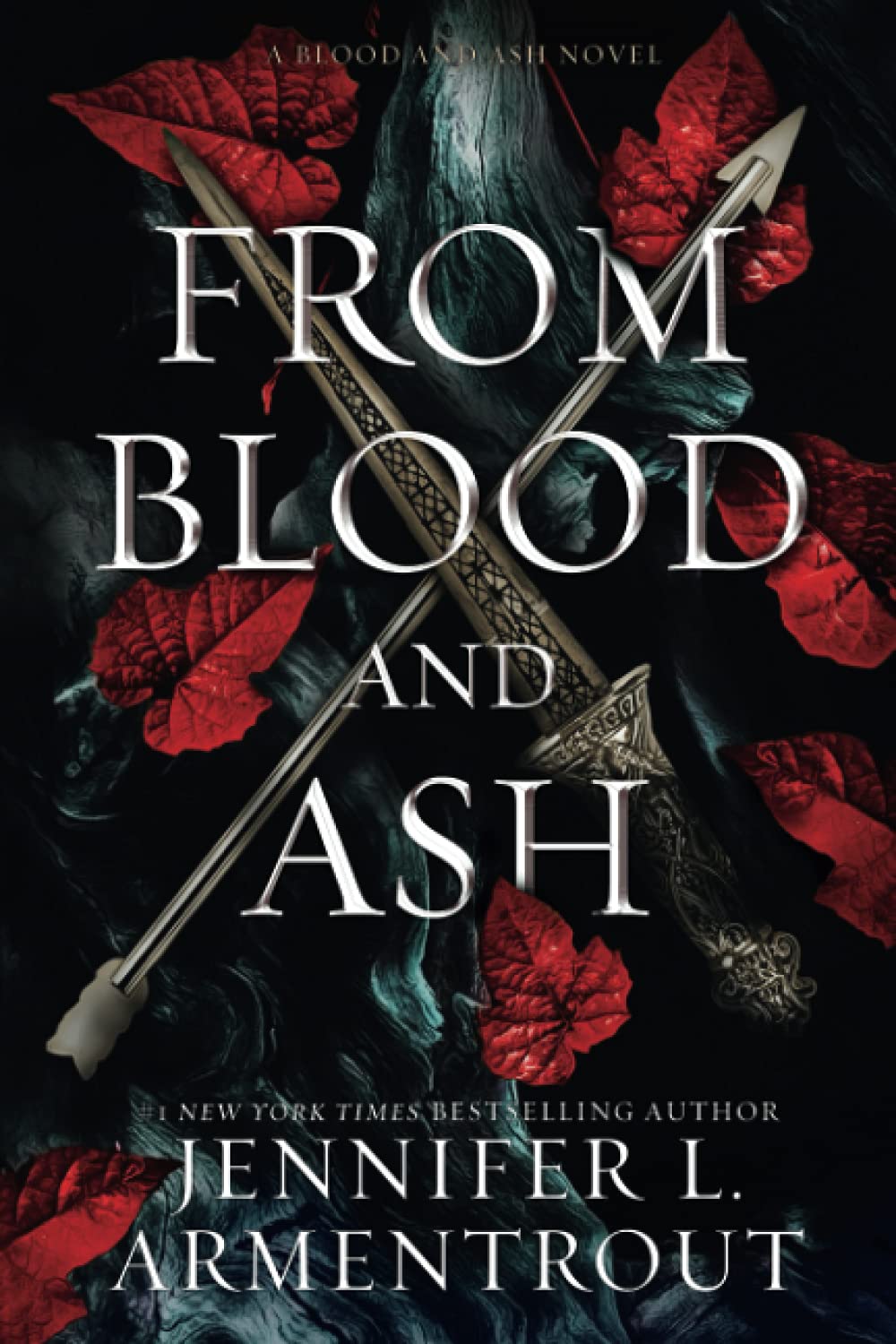
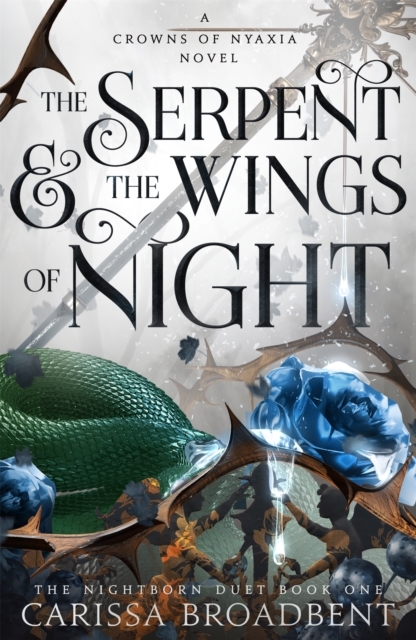
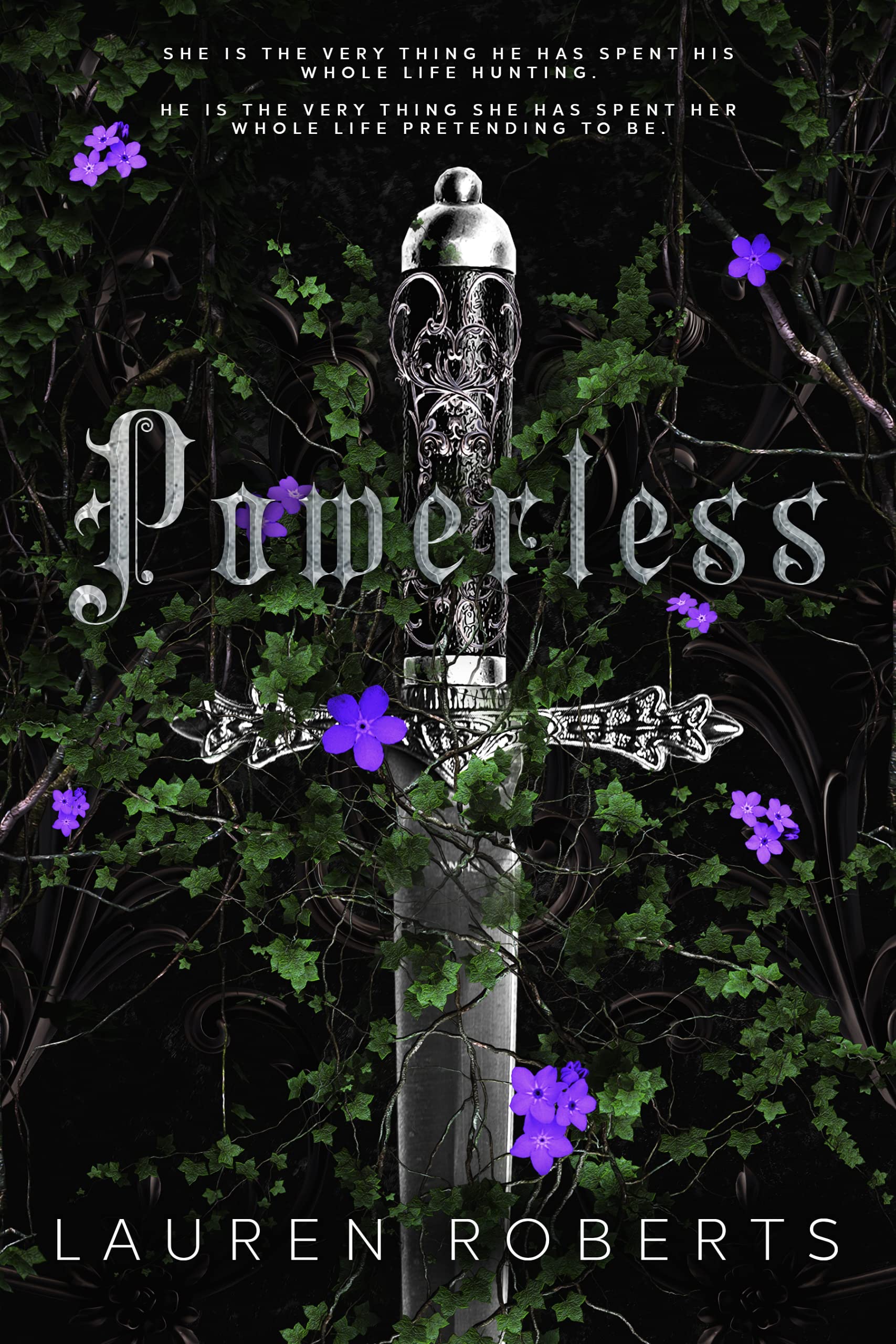
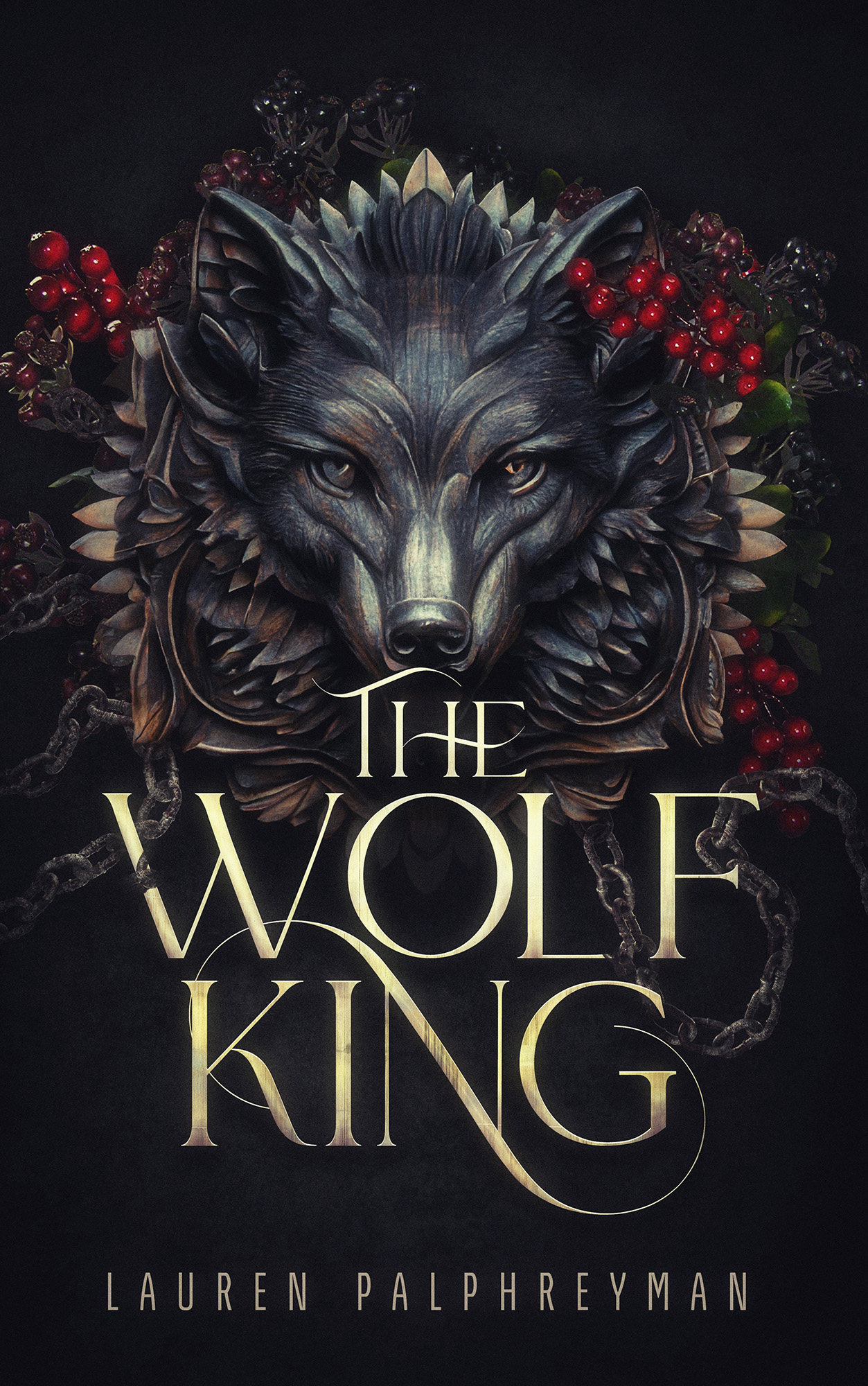
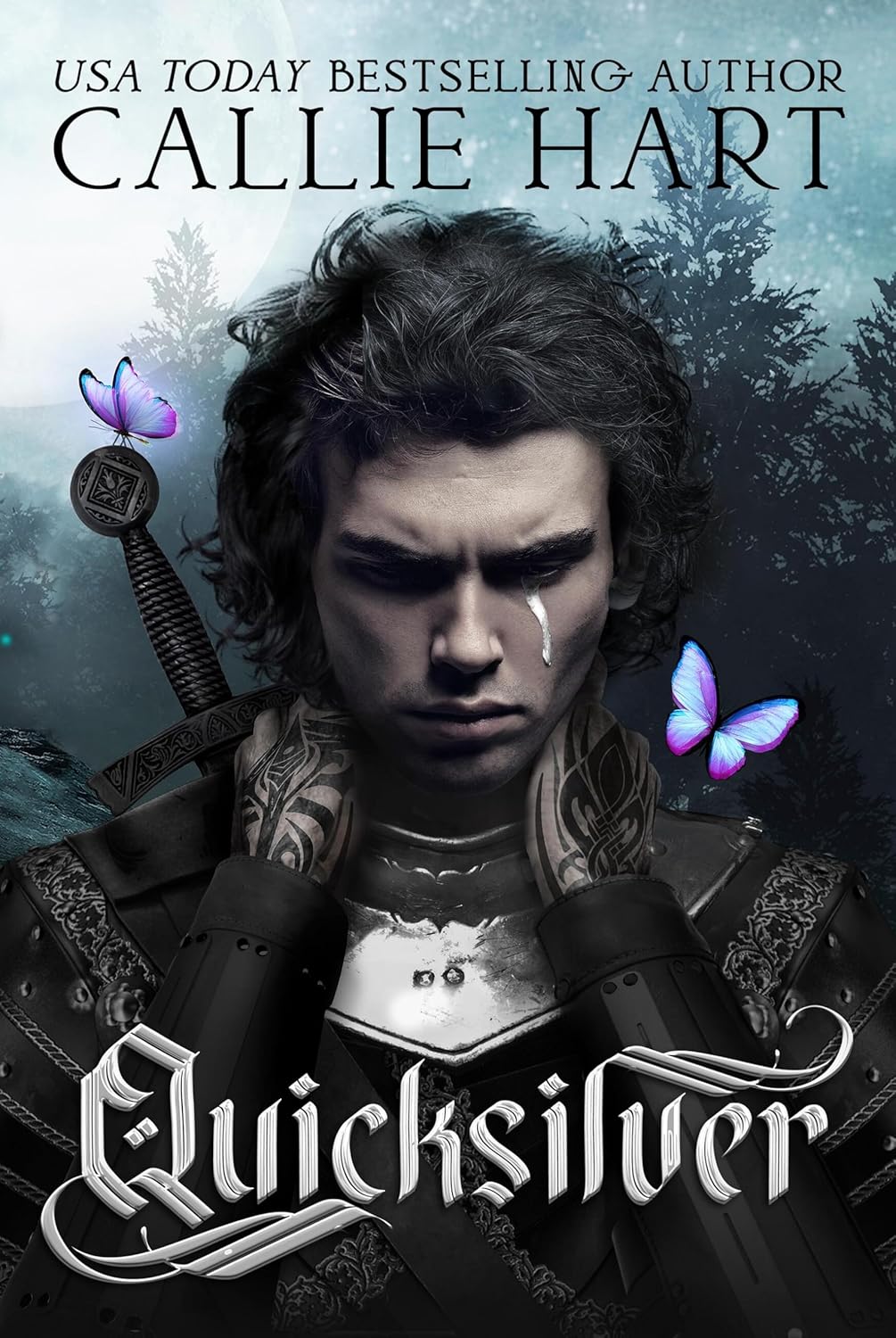
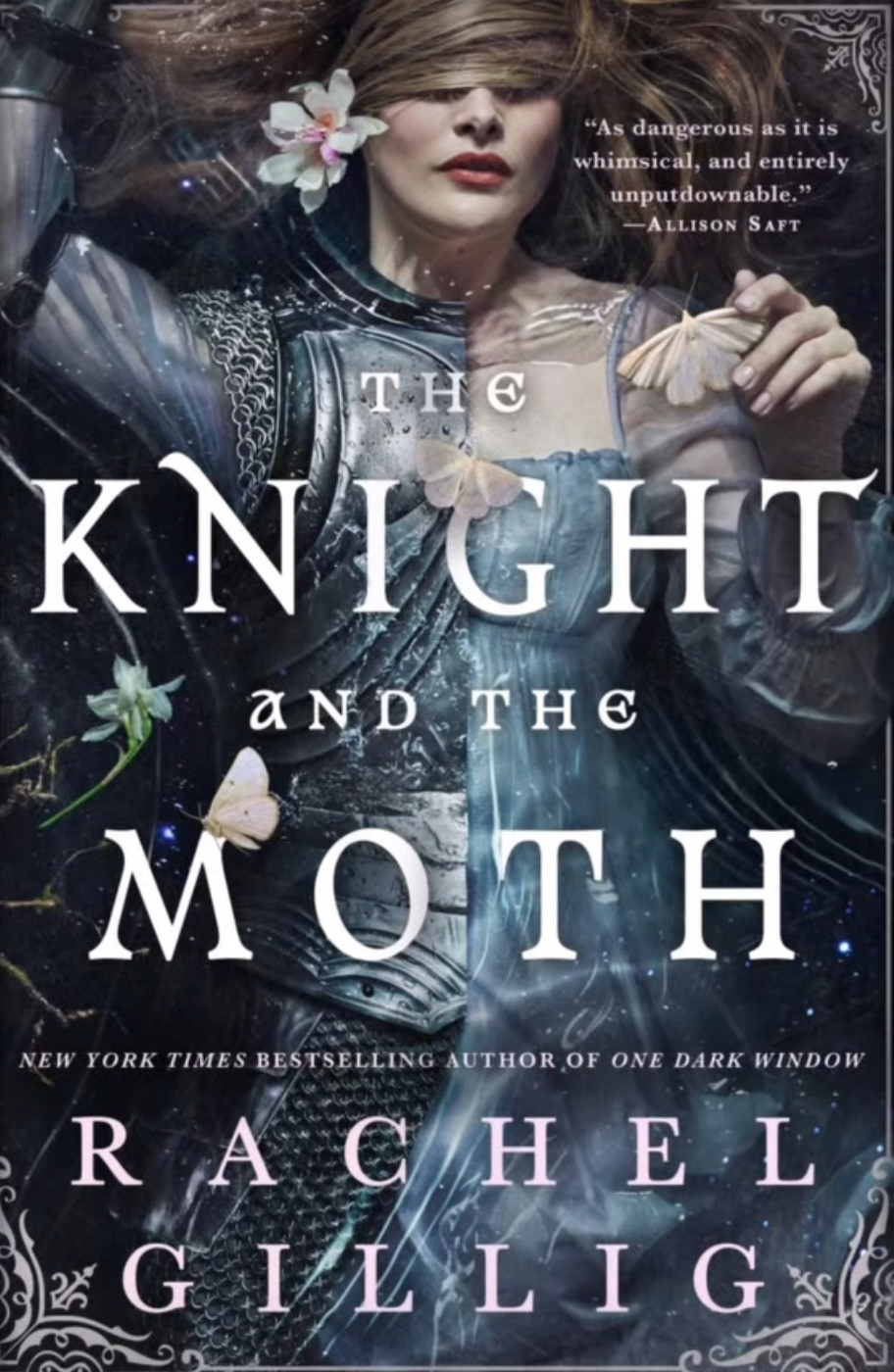
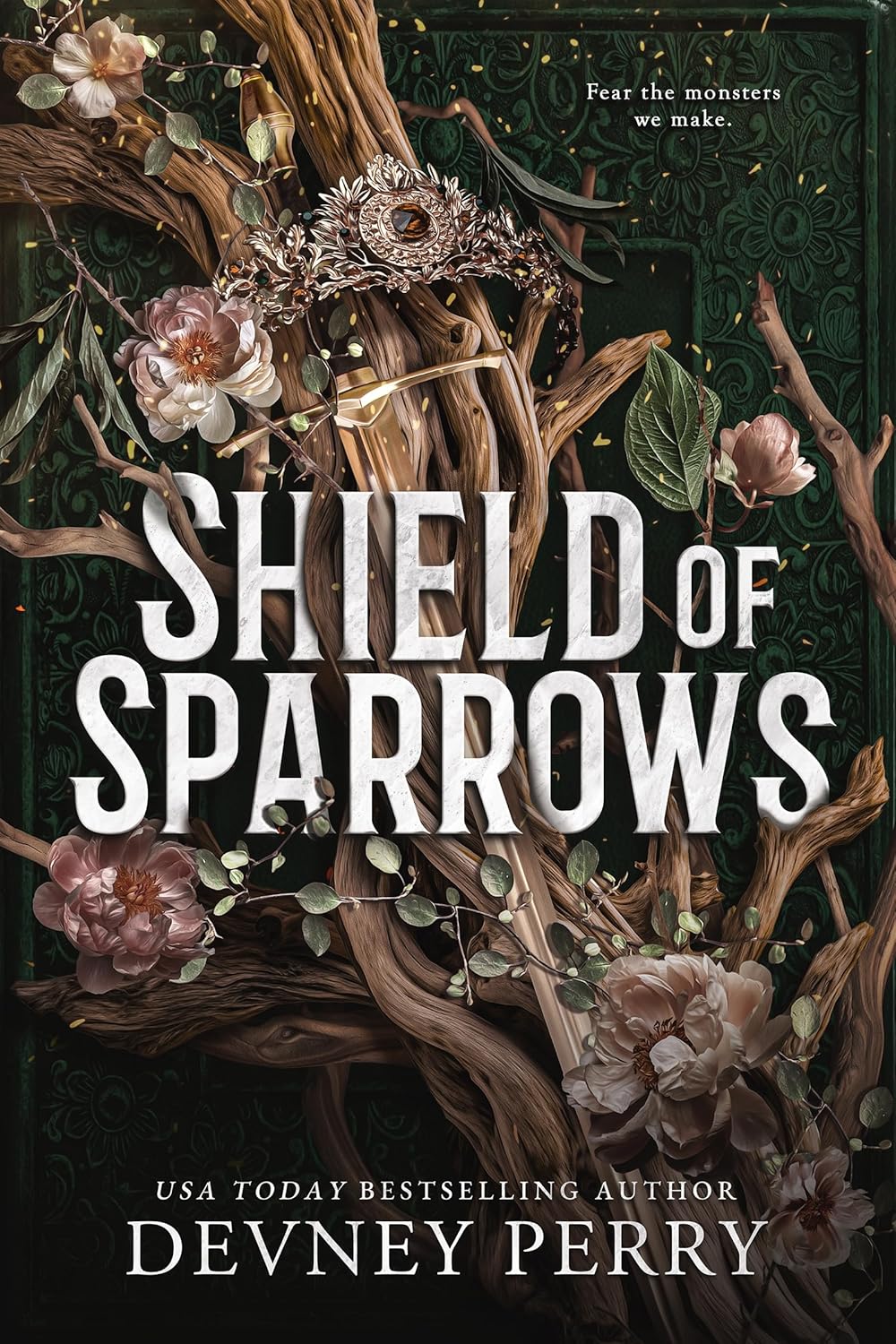
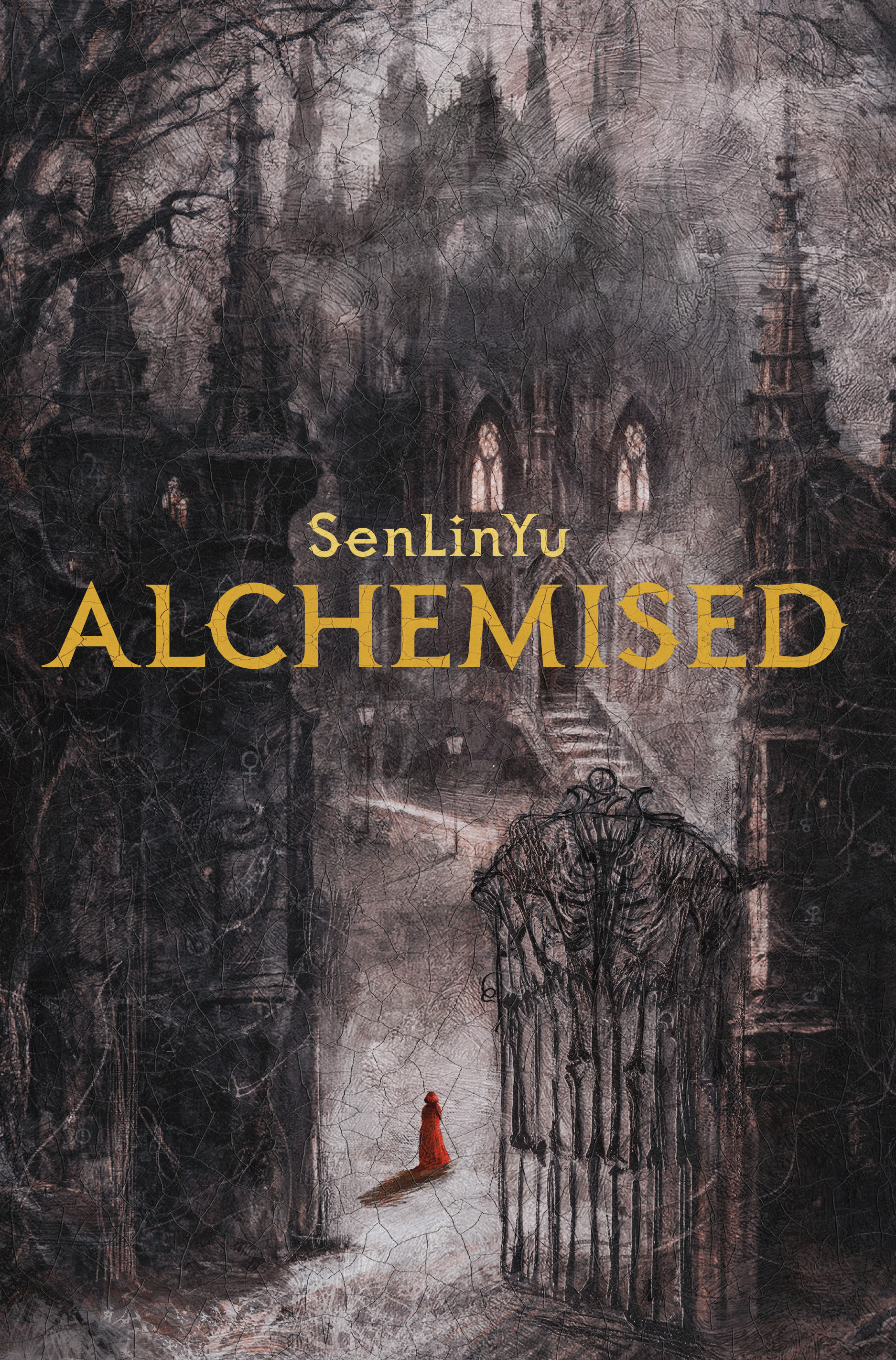
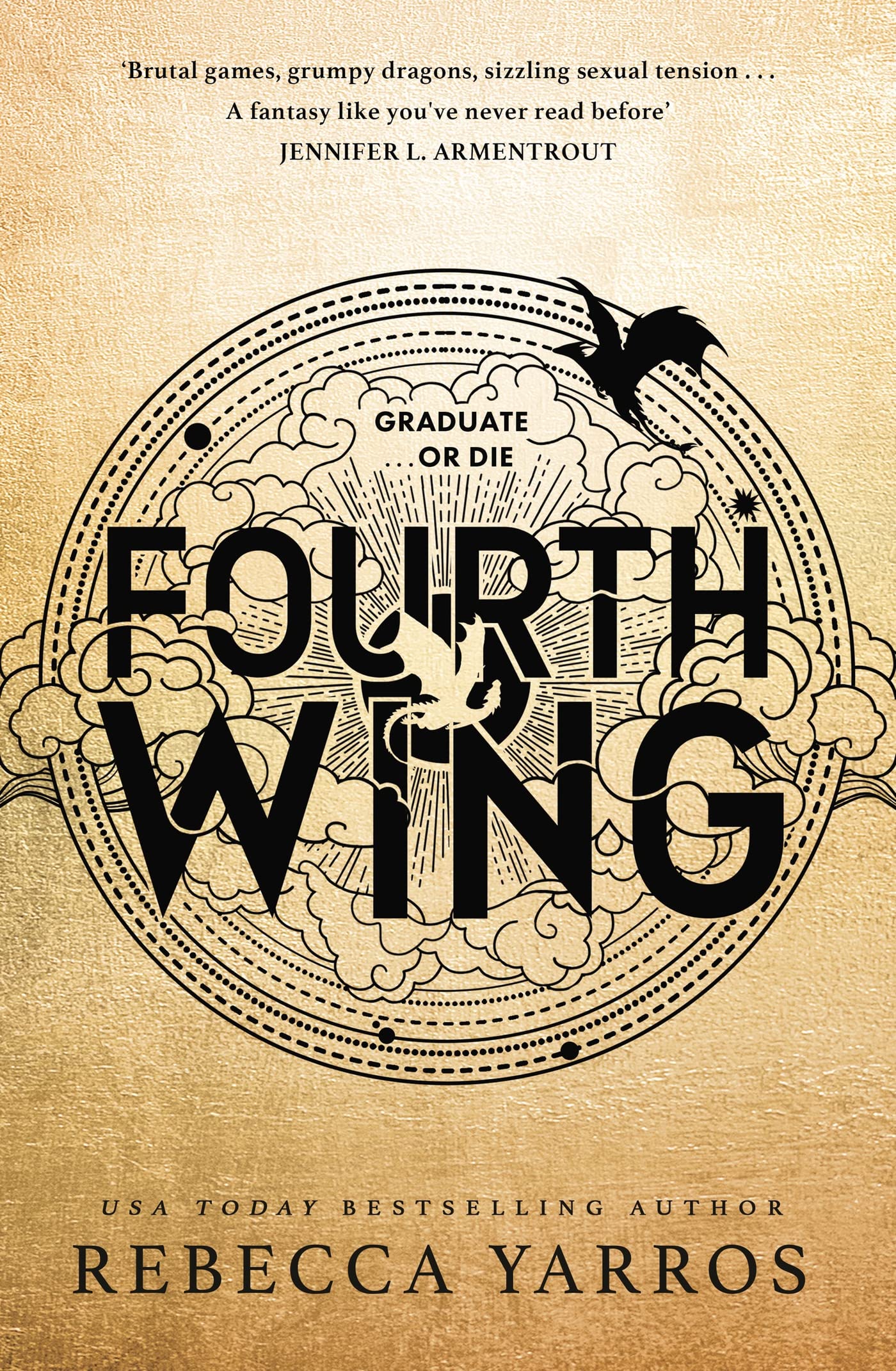
More books with romance and fantasy flooded the market in this period. While there are other popular romance fantasy blends that came on the scene alongside Maas, such as Radiance by Grace Draven (2015) I would argue that the publication of Fourth Wing by Rebecca Yarros, which combines the fantasy favorite of dragons with the BookTok beloved romance trope of enemies-to-lovers really kicked things into gear in 2023. But some other books that made a splash as the genre was forming include From Blood and Ash by Jennifer Armentrout (2020), Gild by Raven Kennedy (2020), The Serpent and the Wings of Night by Carissa Broadbent (2022), Spark of the Everflame by Penn Cole (2023), Powerless by Lauren Roberts (2023), The Wolf King by Laura Palphreyman (2023),  Quicksilver by Callie Hart (2024), A Fate Inked in Blood by Danielle L. Jensen (2024), The Knight and the Moth by Rachel Gillig (2025), Shield of Sparrows by Devney Perry (2025), and Alchemised by SenLinYu (2025)



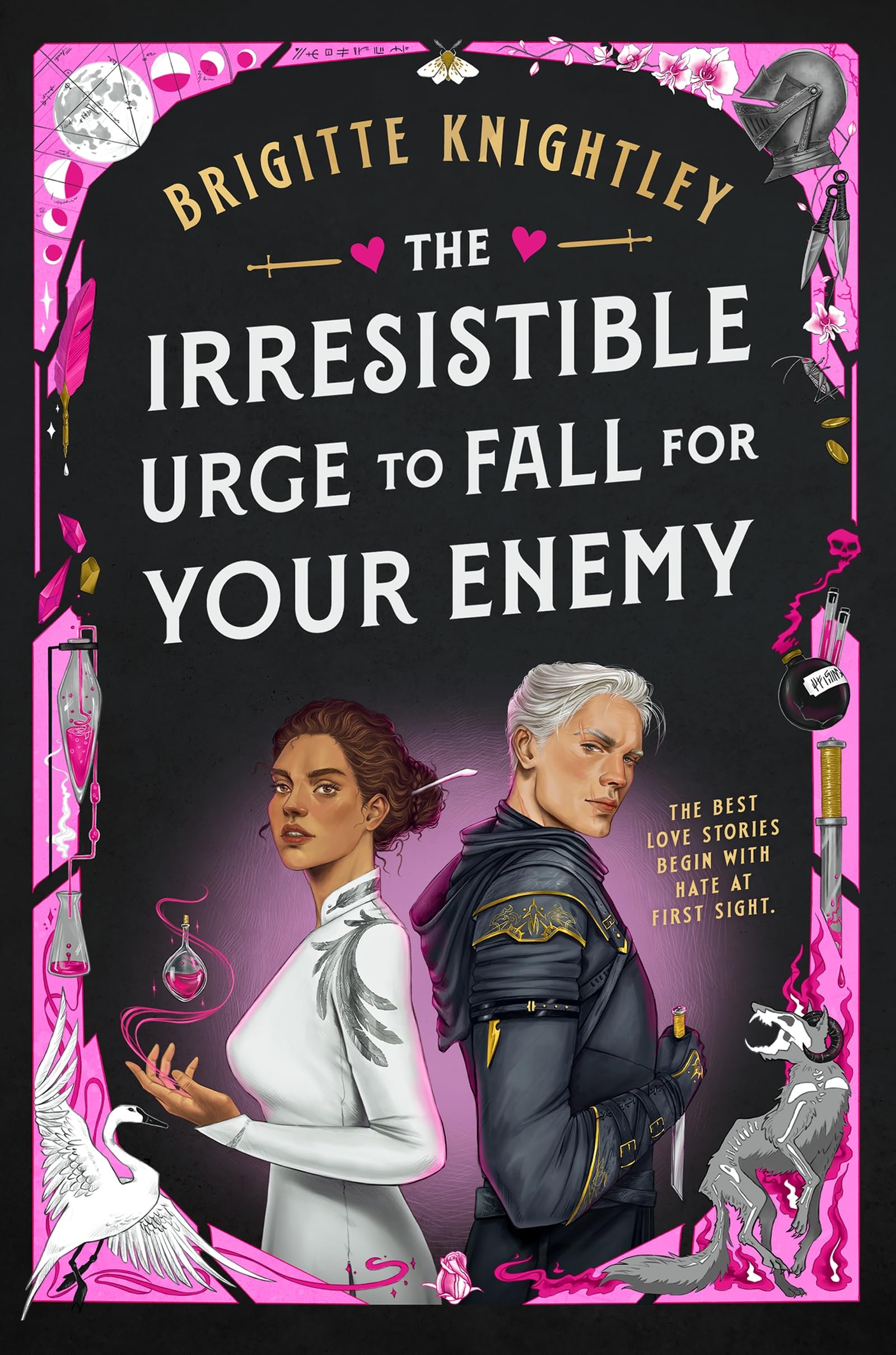
Funny side note: Alchemised and another popular book from 2025, The Irresistible Urge to Fall for Your Enemy by Brigitte Knightley both have their roots deep in one of the springs from which romantasy was birthed: horny grown up Harry Potter readers writing fanfic. Specifically Dramione stories. Fantasy readers who grew up with Harry Potter but longed for more romance — maybe even forbidden romance — ate these stories of good girl Hermione Granger falling for morally gray bad boy Draco Malfoy.

Harry Potter fanfic → Romantasy


What’s interesting to me about romantasy is that writers took whichever pieces of the fantasy toolkit and the romance trope bag that they loved best. For many (whether by inclination or a desire to cash in on Maas’s popularity) it seems to be fae heroes and the dark lure of faerie lands plus the romance tropes of enemies-to-lovers and morally grey heroes. But some dipped into fantasy’s monster bag for vampires, werewolves or ghosts as heroes. From romance, in addition to enemies-to-lovers, we see a fair amount of the grumpy/sunshine trope, fated mates, marriage of convenience, and love triangles. The different ways authors borrow from the genres in blends like romantasy is one of my favorite things about genreblending. It helps readers follow their favorite genre storylines, tropes, and conventions into a new blend. A fan of MM romance might gravitate to Freya Marske’s books, like Swordcrossed. Dark romance readers can find dark romantasies like Kaylie Smith’s Phantasma, while romantic comedy readers might gravitate to a lighter, humorous book like That Time I Got Drunk and Saved a Demon by Kimberly Lemming or one with plenty of banter like Assistant to the Villain by Hannah Nicole Maehrer. The genre, as it grows, has room for many different storytelling styles. The best blends don’t just use the fun set dressing of the genres they combine, however. In the best books the author understands the roots of the genres and why certain tropes appeal to readers. It will be interesting to see if romantasy continues to be as popular as it is today. While an absolute ton of books get shoehorned into the category to take advantage of the fans, it certainly looks like this is a genre blend that will continue even after BookTok moves on.

The reason I’m not afraid that romantasy will ever entirely disappear is because blending of the genres of fantasy and romance is nothing new. After all, the addition of a love story to any genre adds depth to characterizations and emotional stakes to any plot. But early fantasy romantic plotlines were honestly more likely to be tragic doomed romances where the female characters were placeholders for the idea of an end to conflict and a home to go back to. The love interests were just as likely to be a bone to be fought over by rival characters. There are a lot of love triangles in romantasy!  But while some classics of the fantasy have romantic plotlines, most would not be considered super satisfying to the romance reader who expects a “happy ever after” (HEA) for romantically entangled characters. Think George R.R. Martin’s idea of romance, which range from incest to a frankly even squickier rape-to-love arc for one pairing. The Wheel of Time series has romance triangles (quadrangles?) but they are not what most would call truly romantic plots.

Things get better when female fantasy authors get more prominent on the scene. Classic fantasy by Sharon Shinn, Lois McMaster Bujold, Tasha Suri, Mercedes Lackey, Juliet Marillier, Jacqueline Carey, and Robin Hobb have all had much more finesse in incorporating romance into their fantasy stories without sacrificing the core fantasy enjoyment. So to close out my overview of Romantasy, I’d like to play homage to some of the romantic fantasy books that I see as forerunners of this genre. I’d love more readers to dip into the rich history of this “new” genre and pick up of one of these classics:
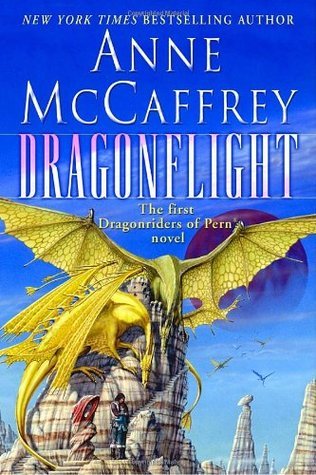
 

Dragonflight by Anne McCaffrey (1968): The worldbuilding is top-notch (I can probably still draw a map of Pern in my head) and Fourth Wing fans will enjoy how dragon riders Lessa and F’lar navigate their romance while telepathically bonded to their dragons.

Daughter of the Blood by Anne Bishop (1998): Dark romance readers will enjoy the edge of violence and corruption that comes with this series. Book one centers on a witch at the heart of a prophecy and the various forces who want to control her. I’m a HUGE fan of Bishop’s Others series, but this one has a ton of fans as well.

Daughter of the Forest by Juliet Marillier (1999): Based on a Celtic myth, the historical Irish setting is catnip for historical fantasy fans, but the added romance bonus is when the heroine’s quest to break a curse on her brothers brings her into the orbit of a man who becomes her captor-turned-love interest.

Kushiel’s Dart by Jacqueline Carey (2001): For romantasy fans who lean harder in the fantasy direction. Kushiel becomes a courtesan and a spy in a world where the gods have marked her to experience pain as pleasure. Sounds kinky, but it’s a gorgeous book.

Poison Study by Maria V. Snyder (2005): A heroine marked for death evades execution by accepting the post of poison tester for the crown. This reprieve puts her in the heart of a dangerous court and the crosshairs of the kingdom’s spymaster. The series has 6 books and some filler novellas, but this first volume stands alone just fine.

Lord of the Fading Lands by C.L. Wilson (2007): A romance between a fey king and a mortal woman, this is fated mates for the romance crowd and a good-versus-evil battle for the kingdom for fantasy fans. First in a series of 5 books.

Graceling by Kristin Cashore (2008): Yes, it’s YA, but honestly the heroines of romantasy always skew young. The heroine here has a rare, killing skill that steers her destiny away from the life of privilege she should have had. It can’t prevent her from falling for a royal prince, though.

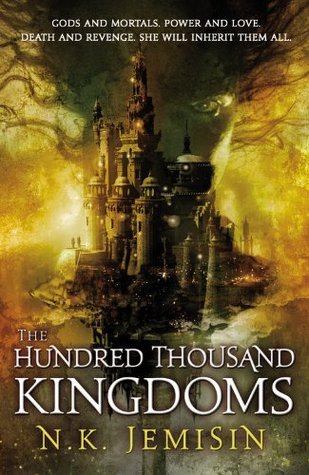
The Hundred Thousand Kingdoms by N.K. Jemisin (2010): After her mother dies, a woman from the barbarian outskirts of the kingdom is summoned to the capital and learns she is the heir to the throne. The court politics are vicious, the gods are invested in the power struggle, and one god in particular might be her destiny.


In my next post, I’ll dive into what I think makes romantasy different from paranormal romance, and some books that might appeal to both crowds.
Horror Blends for Halloween

Happy Halloween! This is the perfect time of year to read a book that gives you a taste of the scary goodness that the horror genre has in spades. But what if you always thought you didn’t like horror? Sometimes an easier entry point is a blend of horror and another genre. Here are a handful of recent horror blends to put you in a spooky mood.


Horror + Historical Fiction

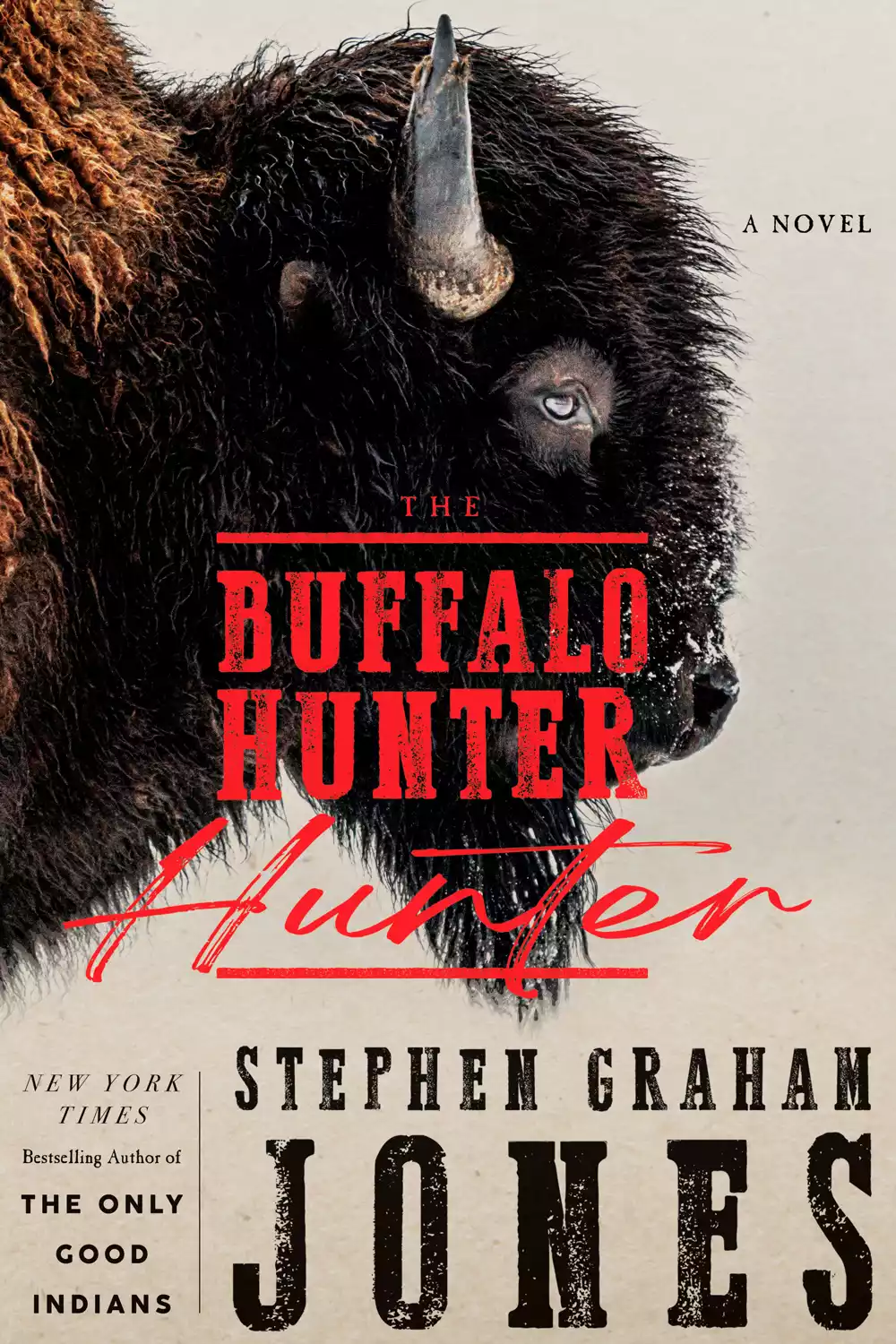
Cover for book Buffalo Hunter Hunter, with a large image of a buffalo head taking up most of the cover with red text over it.

Buffalo Hunter Hunter by Stephen Graham Jones

This novel of a Blackfeet man seeking revenge in early 20th century Montana has won accolades and starred reviews from all over the publishing world for good reason. While still housing the blood-soaked heart of a horror novel, it also examines the deeper horror of injustices against native peoples and violence against the land itself. Oh, and vampires.


Horror + Science Fiction

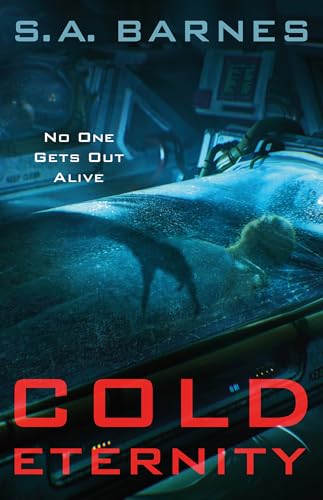
Cover image for book Cold Eternity with a blue toned image of a cryogenic chamber in the center with a shadow of a strange hand appearing over it. There is a caption "No one gets out alive" and the title in red lettering at the bottom.

Cold Eternity by S. A. Barnes

Running from a political scandal, a woman decides a job on a  barge storing the cryogenic bodies of the wealthy elite is the perfect hideout. But there is something or someone else hiding among the frozen almost-dead. Barnes excels at space-based horror and this one has plenty of twists along with its scares.


Horror + Fantasy + Historical

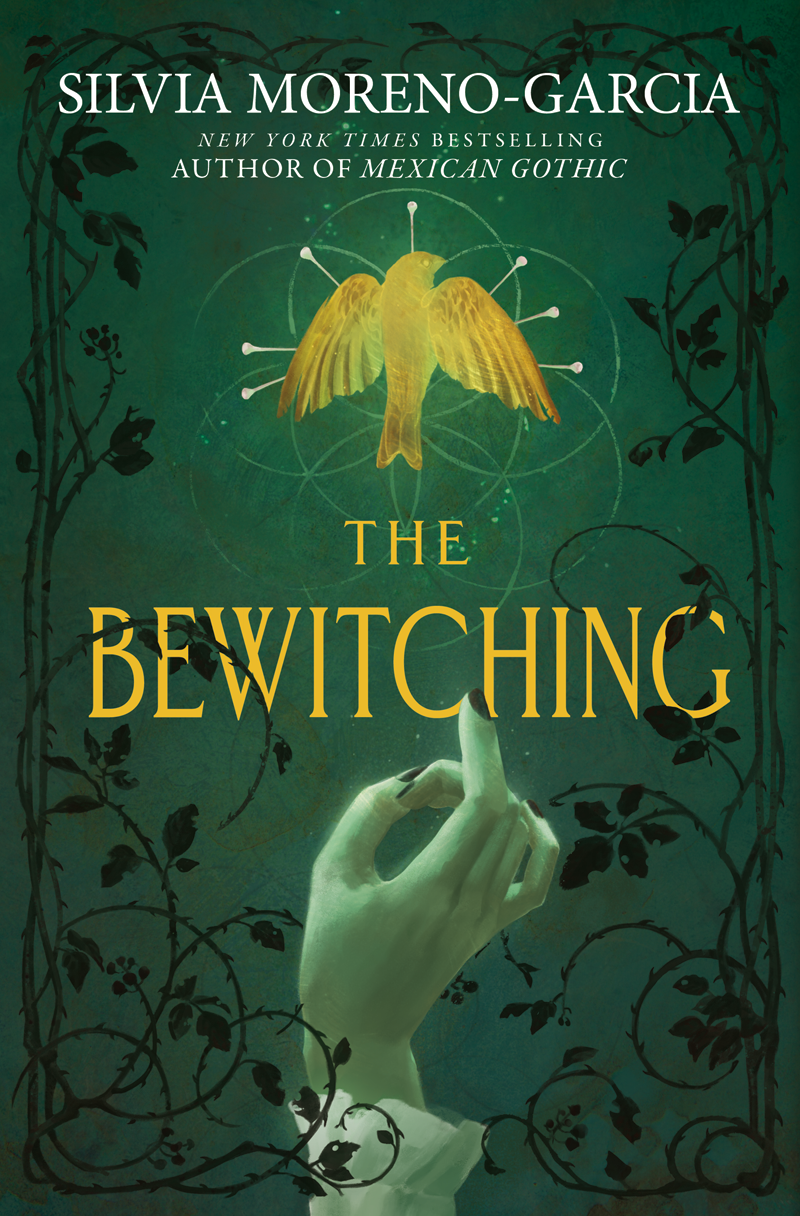
The cover for the book The Bewitching is a dark green with sillouetted vines bordering the image of a feminine hand. Above the hand is a golden bird pinned in place. In the center, the book title is also in gold.

The Bewitching by Silvia Moreno-Garcia

A grad student in horror literature has focused her studies on Beatrice Tremblay, an obscure writer who attended her university. It seems Tremblay based her most famous novel on her time at the school, and on her strange roommate. Another critical and popular hit from the always reliable Moreno-Garcia.


Horror + Mystery

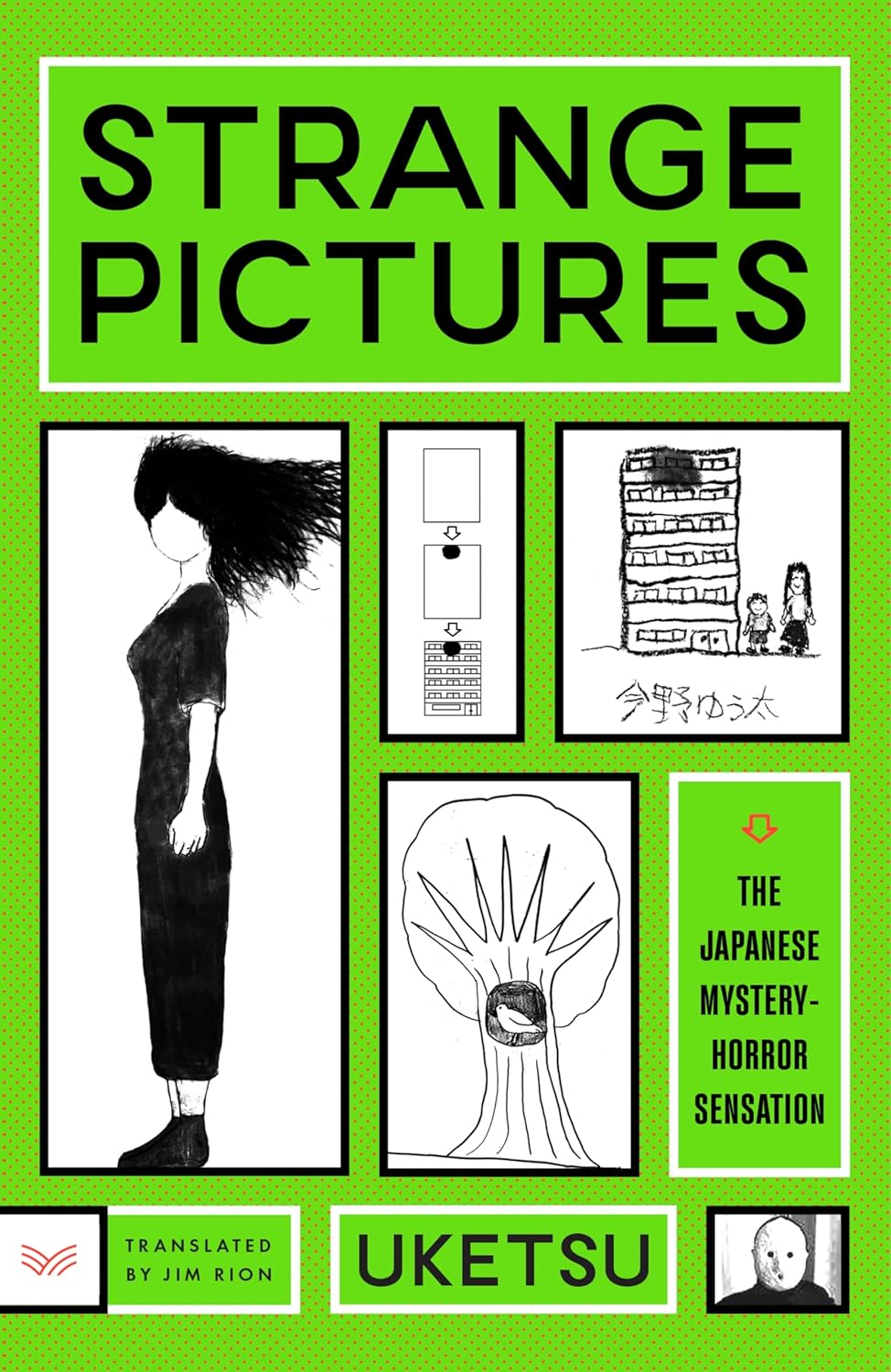
Cover for the book Strange Pictures. It consists of 4 hand-drawn images on a bright green background. The title is in black letters at the top and there is a box at the lower right that says "The Japanese Mystery-Horror sensation".

Strange Pictures by Uketsu

A collection of drawings seem innocent, but contain clues to mysteries old and new. More eerie than flat-out scary, the author presents the pictures in short vignettes that have the reader puzzle not only the meaning of each set, but how they all might be connected.


Horror + Romance

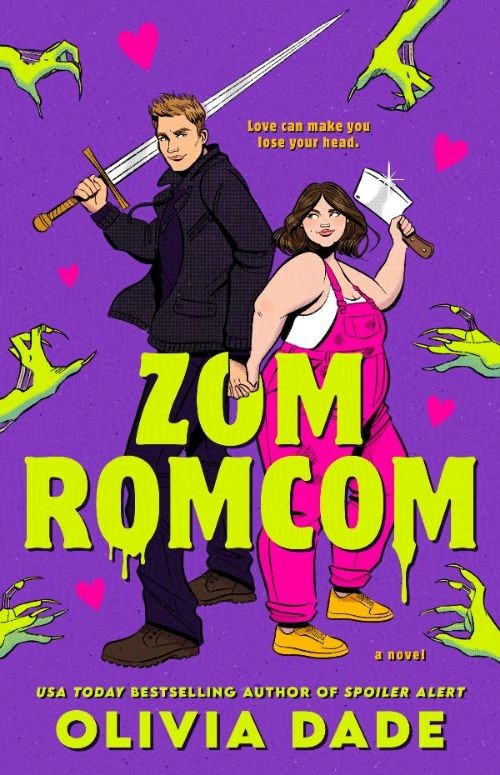
Cover image for the title ZomRomCom. On a purple background, there are two figures, a man in black and a woman in bright pink overalls. He is wielding a sword, she has a cleaver. There are green zombie hands reaching in from the sides of the book. The title is in green, with a dripping blood effect.

Zomromcom by Olivia Dade

This is classed as a paranormal romance, and that’s fair: in horror the characters are fighting the monsters and in paranormal romance, the characters are usually having sexy times with the monsters. But Dade combines the two as  her sunshine heroine teams up with a grumpy vampire to fight off a zombie infestation.


Want more horror blends? Visit the blender!

Introducing the Urban Fantasy Gazetteer

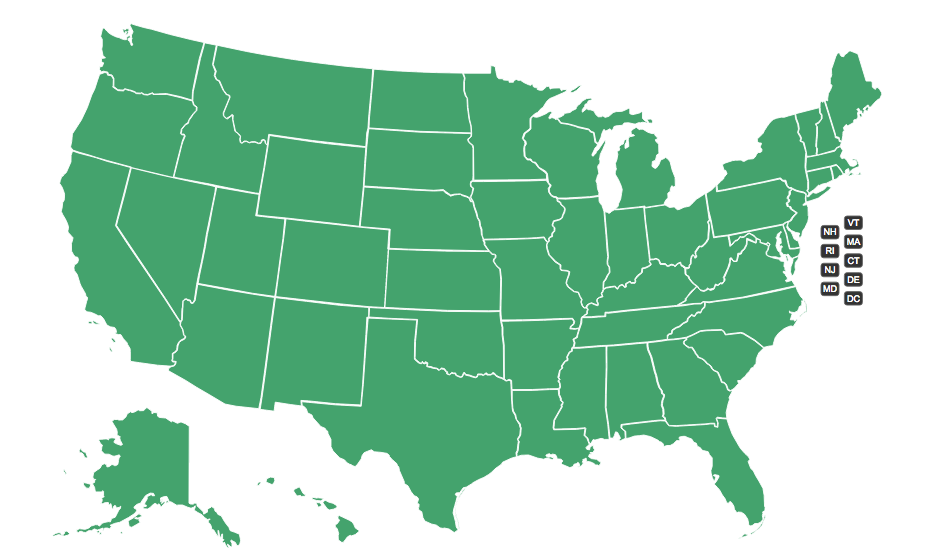
gazetteer map

Click through for an interactive map of contemporary fantasy by state at https://www.genrify.com/uf_gazetteer/

One of the pleasures of reading contemporary or urban fantasy, as opposed to epic fantasy, is the fact that it is set in our own world. The intersection of magic and the mundane can be hugely appealing. If a novel is set in an imaginary land, you know to expect magical things on the page. But crack open an urban fantasy set in Chicago or Atlanta and you don’t know what to expect. Wizards? Werewolves? Vampires? Dragons in disguise? Maybe some or all of these, maybe something even more unexpected. There is always a bit of narrative distance when you place a story in a fictional land. While the reader can bond with any well-written character, it take a little more effort to put yourself in the shoes of an epic fantasy character, whether they be pig-farming peasants or high-born nobles. On the other hand, urban fantasy characters inhabit lives and landscapes that resemble our own — they own houses or rent apartments, they eat at restaurants, hold down jobs, and walk city streets.

When you are reading any kind of book set in the real world, it is especially fun to read one set in your own hometown. If the author has done his or her job well, you can walk the same streets and see the same sights in books that you see when you walk to work. Maybe the characters eat at your favorite deli or BBQ joint, hang out in the park down the street, or work in an office building you’ve walked past a million times. They talk like you, and drink that weird soda that no one else drinks (what the hell is cheerwine, anyway?). And every time you have that moment of “hey! I know that place!” it can bond you to the story, as long as the author gets it right (I haven’t read all of these, so forgive me if they don’t, in fact, get it right). Readers who live in big cities like Chicago or San Francisco get this treat all the time, but I’ve searched for urban fantasy set in every state.  I got close, with only a couple of voids. I didn’t do any international urban fantasies (I’ll do those in a future post), no YA,  and I didn’t include any historical fantasies, despite there being quite a few great ones set in cities like Chicago, LA, and SF. I did, however, dip into paranormal romance and supernatural mysteries when I needed something for a state. The image of a map at the top of the post takes you to an interactive map showing my pick for the urban fantasy that best represents each state (or sometimes just my favorite, if there were many to choose from).  Because some places like New York has had a lot of books set on its streets, I’ll list some of the other novels set in the state in the full gazetteer below. (more…)

Psychics in Science Fiction

Usually when people think of science fiction, it is a rule-based setting. Near future, far future, alternate past –  the “what if” of a good science fiction novel usually sticks with what could be, if things develop according to the way society is trending and the rules of science allow. But what then do you do with science fiction that adds in something fantastical? For my purposes you get a Science Fiction/Fantasy blend.

Psychic powers are one of the most common fantasy elements that get added to what can otherwise be straightforward science fiction.  There is no scientific basis (at this time!) for psychic powers. No proof that they exist or could exist, or would exist if the conditions were right.  But they are irresistible to authors in many genres. Some even bother to walk through scientific example of why the powers manifest.  But really, they’re just cool. The great thing about genre blends is that authors feel free to borrow whatever cool bits they like from other genres. It’s a big part of why I like blends. So with no further ado, here are some great examples of SF with psychic powers

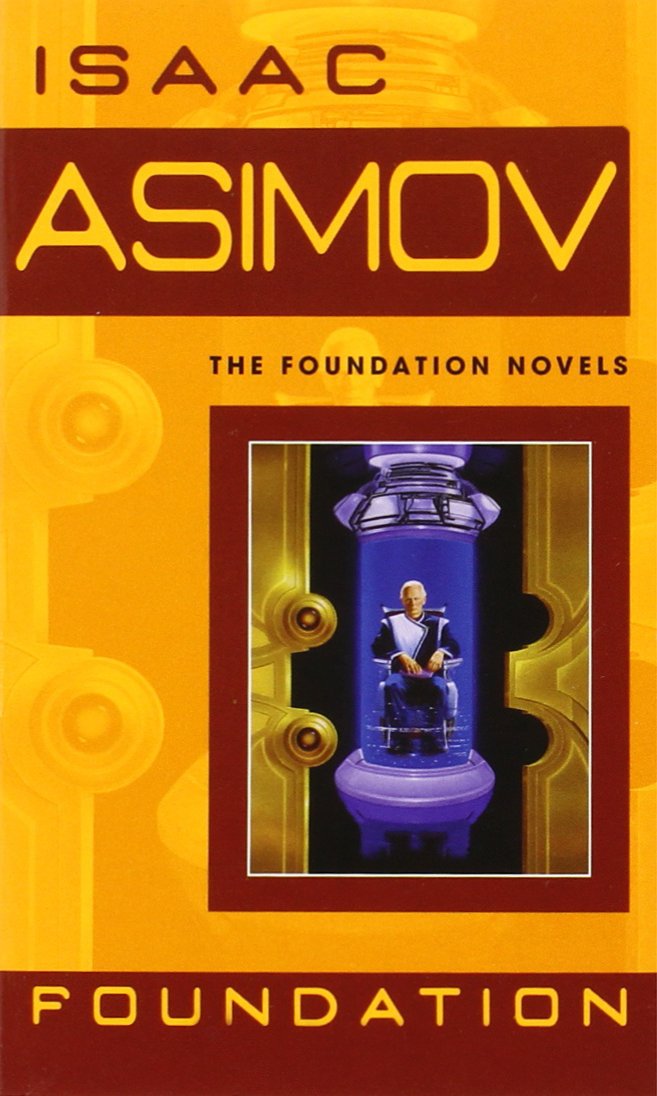
foundationFoundation series by Isaac Asimov

Start with: Foundation

Asimov’s classic series is the story of a galactic empire in decline. Hari Sheldon is the inventor of psychohistory, the ability to see the future through the use of history, psychology and statistics. He foresees the end of society and brings together humanity’s greatest thinkers to create a safe hold, a foundation at the edge of the galaxy. But that’s not even the psychic part!  There is a character of Mule, whose ability to control others through their emotions makes him a dangerous man, and a threat to Hari’s plans.  There’s some other psychic stuff running through the series, but none of this makes it any less of a classic of the science fiction genre. (more…)

What to read after watching The Expanse

expanseLast night was the official Syfy network premiere of the new space opera tv series The Expanse, although some folks watched the show online when it went up a couple of weeks ago. Tonight will be episode two, setting the hook even deeper to get viewers sucked into this new series that promises to bring the network back to its science fiction roots. So far, it’s a stylish adaptation, with some nice acting and great scenery. I can’t wait to see how it develops as the season goes on and how faithful it remains to its source material. I promise not to spoil anything for those who haven’t watched yet!

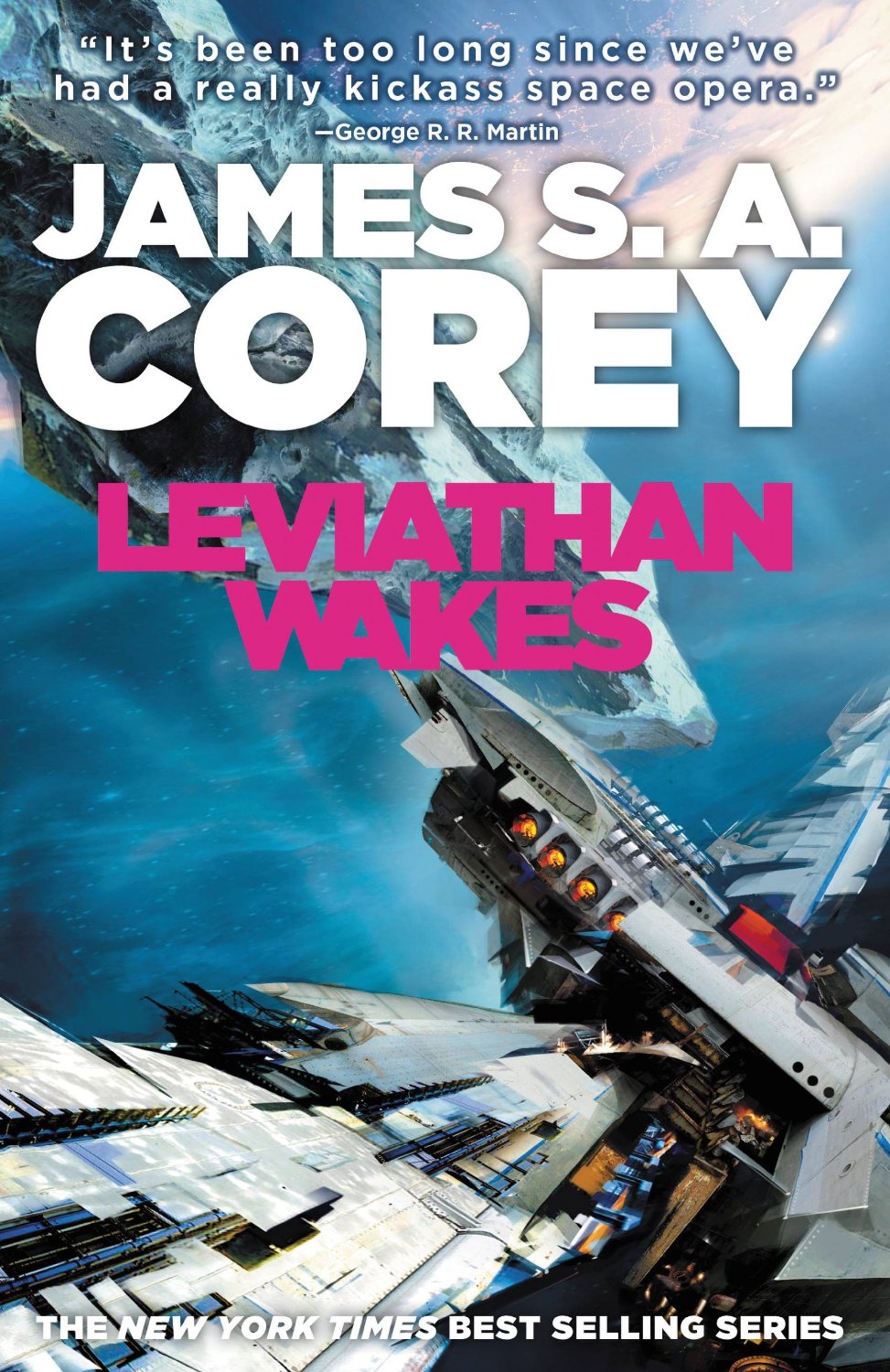
leviathanwakesThis season of The Expanse is based on the first book of James S.A. Corey’s series, Leviathan Wakes.  In this novel, humanity has spread throughout the solar system, but no further. Divisions in human society have developed between the major outposts of Earth, Mars and the outer planets, with mutual distrust between all factions. It’s a canny choice, keeping the action close to our planetary home and the actors human. It makes the series more accessible to readers (and now viewers) who are not necessarily long-time SF fans. The other clever thing the authors (Corey is a pseudonym for two sf writers, Daniel Abraham and Ty Franck) have done to bring in a wide readership is to have the first volume adopt some of the trappings of another popular genre, the mystery. There is a missing person case, a hangdog cop and plenty of noir atmosphere.
If you have been loving the show so far or are a fan of the books that the show is based on, I have some suggestions of books to read.

The book (and presumably series) has two main points of view, that of Jim Holden and focused on him and his crew, and a second point of view with noir-tinged belter cop Miller. If you like the shipboard bits with Holden and how his crew work together, here are some books to try: (more…)

Great Reads for Fans of The Great British Baking Show

GBBOI know this isn’t particularly genre blendy, but I am currently grieving the end of the Great British Baking Show (aka in its native Britain as The Great British Bake Off or GBBO), which finished its run on PBS this weekend.  I usually hate reality TV. In America, it is usually about watching people acting badly, or hoping for people to embarass themselves, or trying to create drama where drama simply doesn’t exist. Even the cooking shows fall victim to this.  I’ve watched Top Chef and enjoyed it, but too much time is spent on personalities rather than food. So I had no particular desire to watch the Great British Baking Show, and in fact missed the first season aired here entirely. I don’t remember who convinced me to watch it this season (someone on Twitter, I’m guessing!), but after one episode I was completely smitten. This was a show about baking, and since it is from the UK it was often about baking things I have never even heard of like suet puddings and Victoria sponge (seriously, endless amounts of Victoria sponge). The bakers, while quite good a bit better than your average home baker, are still amateurs, and their creations often look more than a bit squiffy. We don’t get endless confessional interviews with the contestants (in fact you get virtually no info about their private lives except for a super short segment on each of the finalists). They just show up every weekend and bake. There is no big payday at the end (it seems they just get an engraved cake stand). And the biggest difference between this and every other reality show I’ve watched is that everyone is nice. Really nice. Now that it is over for another season, with no idea when they will air it again, I thought I would pull together a list of books for my fellow rabid fans of the show.  Bon Appetit!

Books for fans of The Great British Baking Show (aka The Great British Bake Off)

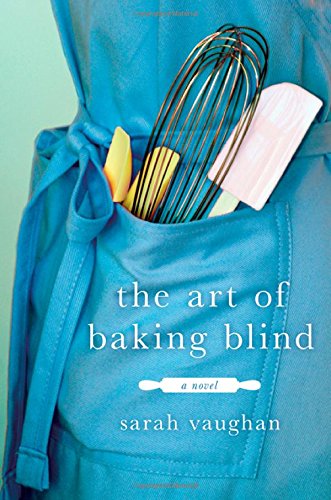
artofbakingblindThe Art of Baking Blind by Sarah Vaughan

This British novel is probably the closest we’re going to get to a novelization of The Great British Bake Off. It follows five amateur bakers who are competing to become the next “Mrs. Eaden”. In the 1960s, Kathleen Eaden, wife of a supermarket magnate, wrote a classic bestselling cookbook called the Art of Baking. Now she has died and the market chain wants to find a new baking mascot. If you love the show but wished they gave more backstory on the contestants, this book will scratch that itch. We learn about the five potential Mrs. Eadens and their personal struggles. We also get flashbacks to Kathleen Eaden’s story as she writes the cookbook that inspired the whole thing. There are plenty of tantalizing descriptions of baked goods, so you might want to have a snack handy while reading. It’s a charming, if not particularly memorable novel.

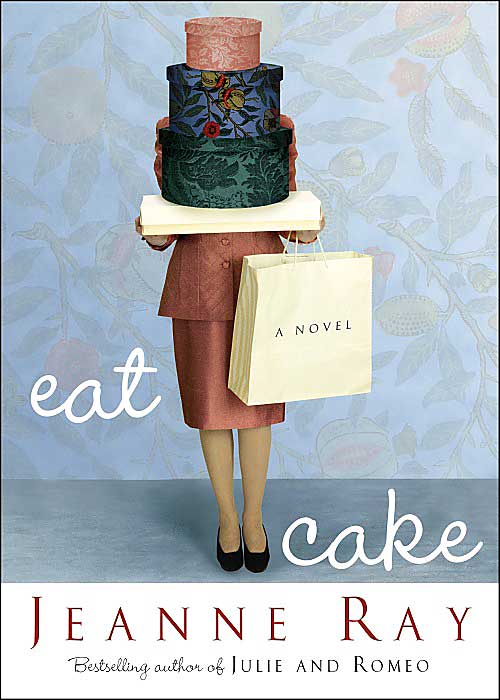
eatcakeEat Cake by Jeanne Ray

Ruth loves cake and bakes as a way to self-comfort and de-stress (I can relate!). When her husband loses her job, her daughter turns overnight into a bratty teenager, and both of her divorced parents move in with her, Ruth will need a lot of baking to deal with the stress. I love this novel. Like the author’s earlier Julie and Romeo, it is women’s fiction with depth and humor and a delightful, mature heroine. Ruth is beset on all sides, but she’s down-to-earth, warm, and funny. And she bakes like a dream! If I recall correctly, along with delectable descriptions of Ruth’s cakes, the author included recipes at the back.
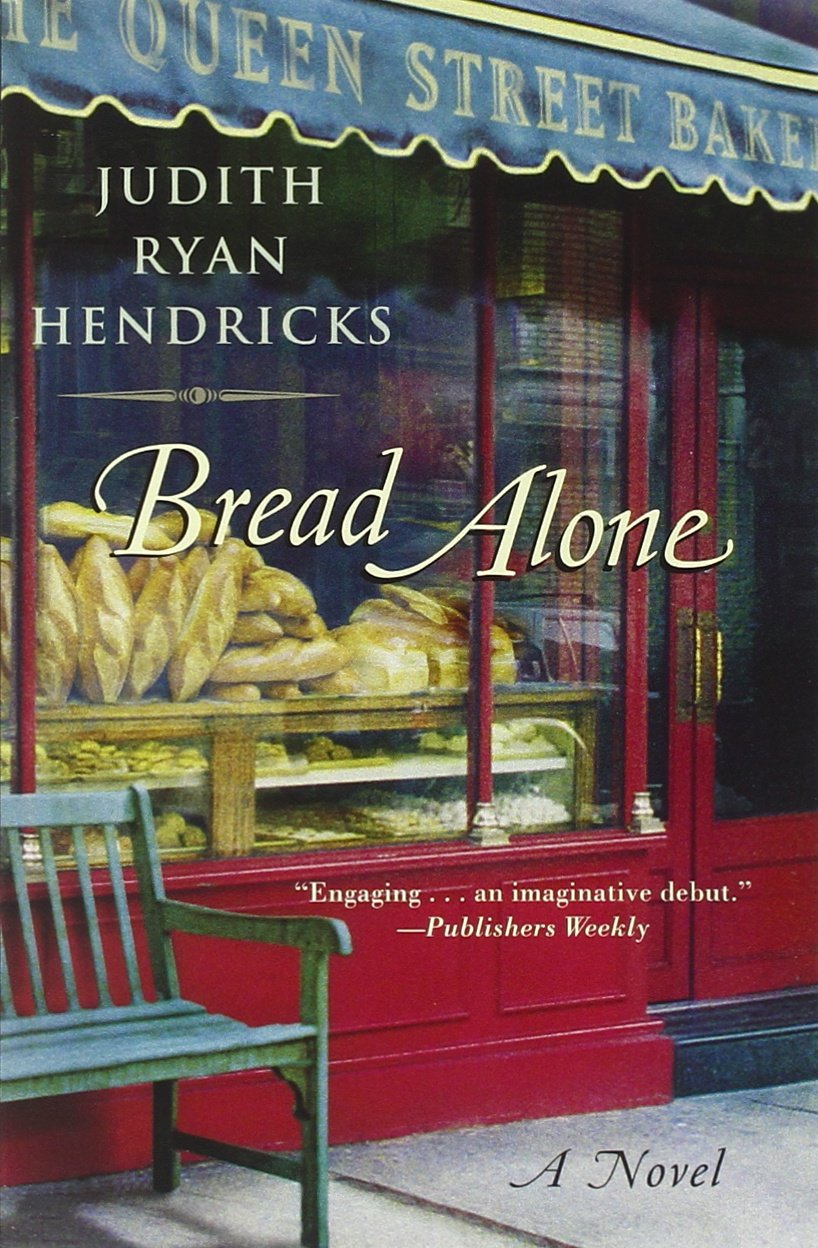
breadaloneBread Alone by Judith Ryan Hendricks

Women’s fiction often follows a pattern wherein a woman experiences a trauma or emotional upheaval in her life and then searches for a way to reinvent herself (or usually find her most authentic self). In Bread Alone, Wynter Morrison (yeah, I hate the name, too, but she goes by Wyn) has moved to Seattle after her husband leaves her for another woman. At loose ends, she spend time in a local bakery cafe, which brings back memories of when she lived in Paris and wanted to be a professional baker. She is offered a job at the Seattle bakery and reconnects with her love of the process of making bread. This does has all the usual women’s fiction ingredients (change of scenery, wise best friend, fraught relationship with her mother, discovery of calling, new chance at love), but combined in a winning way. And yes, there are recipes for bread.


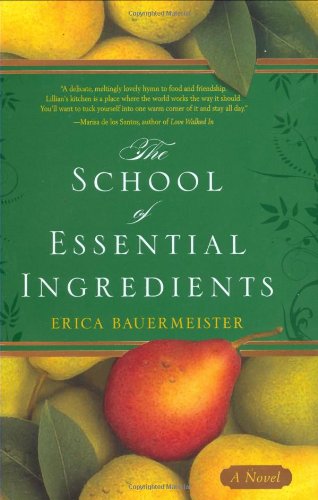
lovegoddessschoolofessentialThe School of Essential Ingredients by Erica Bauermeister  

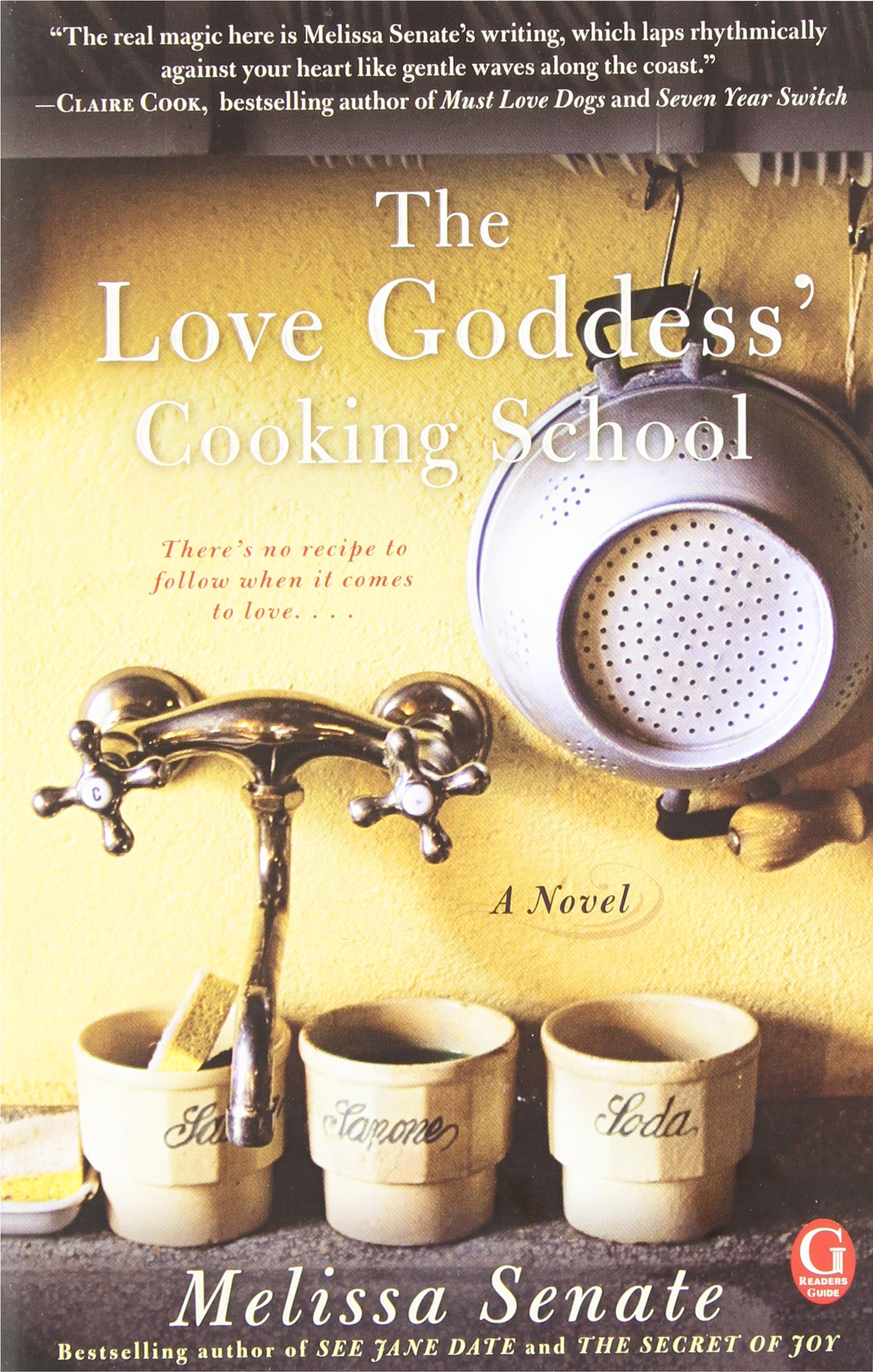
The Love Goddess’ Cooking School by Melissa Senate

These two novels get grouped together here (and in my head) because they share a structure and I read them about the same time.  Both involve a group of people attending a cooking school. They both break down into character studies of the students: what brought them to the school, the dramas and sorrows in their current lives, and works through how cooking and connecting with others helps them to a better place. In The School of Essential Ingredients, Lillian is a successful chef who hosts cooking classes at her restaurant. We get Lillian’s story alongside the story of her students, as each week they all tackle a new dish. In The Love Goddess’ Cooking School, the focus is more on the heroine. Holly Maguire returns home to Maine to take over her Sicilian grandmother’s cooking school. Trouble is she doesn’t know how to cook, much less does she have her grandmother’s secret to using food to tell fortunes. But she gamely dives in, and we get her story of reinvention alongside the stories of her first four students who also seek to change their lives.  Both of these novels are charming, light reads with mouth-watering descriptions of food.

Just about anything by Sarah Addison Allen

     
When I first fell in love with the books of Sarah Addison Allen, it was with her debut, Garden Spells.  It reminded me of a love child between Alice Hoffman’s Practical Magic and Joanne Harris’s Chocolat and from there I was hooked.  Her books have the beautiful characters and relationships of good women’s fiction, with just the right touch of magic. In Garden Spells, Claire Waverly has been living alone in her family home with its magical apple tree in the backyard. She has a catering business that uses the family talents to be able to cook foods that are exactly what people need. Her orderly routine is thrown when her sister Sydney returns with her daughter.  The Sugar Queen has less food, but more magic than Garden Spells. Josey lives in her mother’s house, sneaking romance novels and serious amounts of candy in her bedroom closet. One day she finds local waitress Della Lee hiding in that same closet, and her life is going to get the shaking up it needs. Back to more food again with The Girl Who Chased the Moon. Teen Emily Benedict returns to North Carolina after the death of her mom to find out about the her mother’s life. She moves in with her grandfather and meets Julia, a cake baker who was friend with her mother. Seriously, if you haven’t tried Allen and you like women’s fiction with a healthy dash of magic, give her a try.

There are plenty of other great foodie fiction books out there, and don’t even get me started on foodie movies! Hopefully these will partially satisfy the hunger of GBBO fans longing for more Victoria sponge.

Rural Urban Fantasy

Urban fantasy is a hugely popular segment of the SF/F marketplace, but there have always been arguments about the name.  It seems like an effort to differentiate books set in OUR world with books set in a historically influenced imaginary world. Some have always insisted a more useful genre heading would be contemporary fantasy or first world fantasy (as opposed to epic fantasy aka second world fantasy).  I personally like the name urban fantasy, as it conjures up city streets and danger and familiar surroundings. There are dozens upon dozens of series where the moniker fits like a glove: Butcher’s Dresden Files or Chloe Neil’s Chicagoland Vampires set in Chicago, Harrison’s Hollows series set in Cincinnati, and Seanan McGuire’s San Francisco set October Daye books all have great urban settings.  I should really do a gazetteer post one of these days, actually. But what about books that have contemporary settings and real world landscapes but which are not urban?  There’s some really great ones out there. Small towns, rural hamlets, and middle-of-nowhere settings can have some pretty interesting drama, it seems. And the communities are often a lot more intimate and up-in-everybody’s-business, which can add an interesting element to the story. Here are just a few I love a lot: (more…)

Horror with Humor

Are you watching iZombie?  The new show about a girl infected with a zombie virus who works in a morgue and solves crime? On the CW on Tuesday nights?  Well you should be.  It’s one of the most promsiing combinations of witty, banter-y humor and horror that I’ve seen in a while.

It also made me realize that while I’m a fan of horror in general I really love horror that knows how to laugh at itself.  Because I’m more sensitive to visual scares than written ones, I actually refused to watch any horror movies until Evil Dead came along. There’s something so cathartic about laughing in the middle of something terrifying. While there are a lot of horror (novels and films both) with moments of unexpected humor, I’m talking here about laugh-out-loud funny stuff, rather than the dark-as-night black humor of something like Bret Easton Ellis.  Some of my favorites are genuinely scary horror with comic relief, some are more comedies that adopt horror scenery, but they all combine that desire to bring you to an uncomfortable place through a scary or gross set-up and then make you laugh. This kind of push-pull of maintaining tension and then releasing it through humor is actually incredibly impressive, so if you like to laugh-scream, here are some picks for you. (more…)

Planetary Romance

Some of my earliest and longest-lasting love affairs in SFF is the subgenre of planetary romance. It seems strangely old-fashion now, but when I first started reading science fiction, these were the books I read, loved and wallowed in. So what is a planetary romance? Contrary to what you might think, it is not actually a blend between romance and science fiction (although it can be that too).  If anything, it’s more of a blend between science fiction and fantasy.   (more…)

Historical Policing

I’ve always been a fan of historical mysteries, but a couple of years ago i read a couple of really great books set at the dawn of “official” policing (Gods of Gotham, about the founding of the NYPD and The Yard about the first “murder squad” at Scotland Yard) and wondered if there was more out there.  They appealed to me because in general I like the structure imposed by a police procedural. (more…)