One of the hottest genres in publishing these days is one that hasn’t been around long: ROMANTASY. It’s not everyday that a new genre pops up, especially one that is a genre blend, so I definitely wanted to cover it here.
Romantasy is a combination of two genres: romance and fantasy. In a romance, no matter what happens plot-wise, the focus is on the emotional connection between characters, with their attraction and affection building and developing over the course of the story. Their love story is an arc that may have ups and downs, but it always ends in a Happy Ever After (HEA). Fantasy, on the other hand, is a genre with a focus on setting, with elaborate worldbuilding that involves magical elements both strange and wonderful. When you combine the two genres, you should get both those magical worlds and an intense emotional relationships. The balance between the genres and which elements get the lion’s share of the author’s attention varies widely in this genre blend.
Genre, at its most basic heart, is really just a handle to put on a book – usually by a book marketer, but sometimes organically applied by readers. That handle is meant to help people find books that provide a similar reading experience. Eventually, the reading experience is recognizable enough and there is enough volume and staying power for a new genre to warrant having a BISAC (Book Industry Standards and Communications) code (used by bookstores to categorize and shelve books) and a Library of Congress subject heading (used by libraries to catalog books). For romantasy, we’re not there yet, with publishers using the BISAC of “FICTION / Romance / Fantasy” for books that are romance forward and “FICTION / Fantasy / Romance” for books that are more fantasy forward. As a librarian, don’t even get me started on how behind the trends the Library of Congress is with genre subject headings. I could rant. But even before the official heading, book marketers will glom onto a genre name and slap it on books, usually to capitalize on the success of a tentpole book. Thus is our current state of affairs with Romantasy.
 While I’m not on TikTok, I don’t live under a rock. A few years ago there was a series of books that took the book wing of TikTok – known as BookTok – by storm. Countless posts appeared their and on Instagram from passionate readers about their love of books that combined fantasy worldbuilding with swoony romance to provide a reading experience they called “Romantasy”. Most would say that the early tentpole author for Romantasy was Sarah J. Maas, whose A Court of Thorns and Roses kicked off the series of the same name in 2015. But as popular as Maas became on BookTok, especially during the pandemic, one author does not a genre make. Soon aspiring writers, publishers, and marketers saw the success of Maas with not only ACOTAR, but her Throne of Glass and Crescent City series, and the Romantasy wave began.
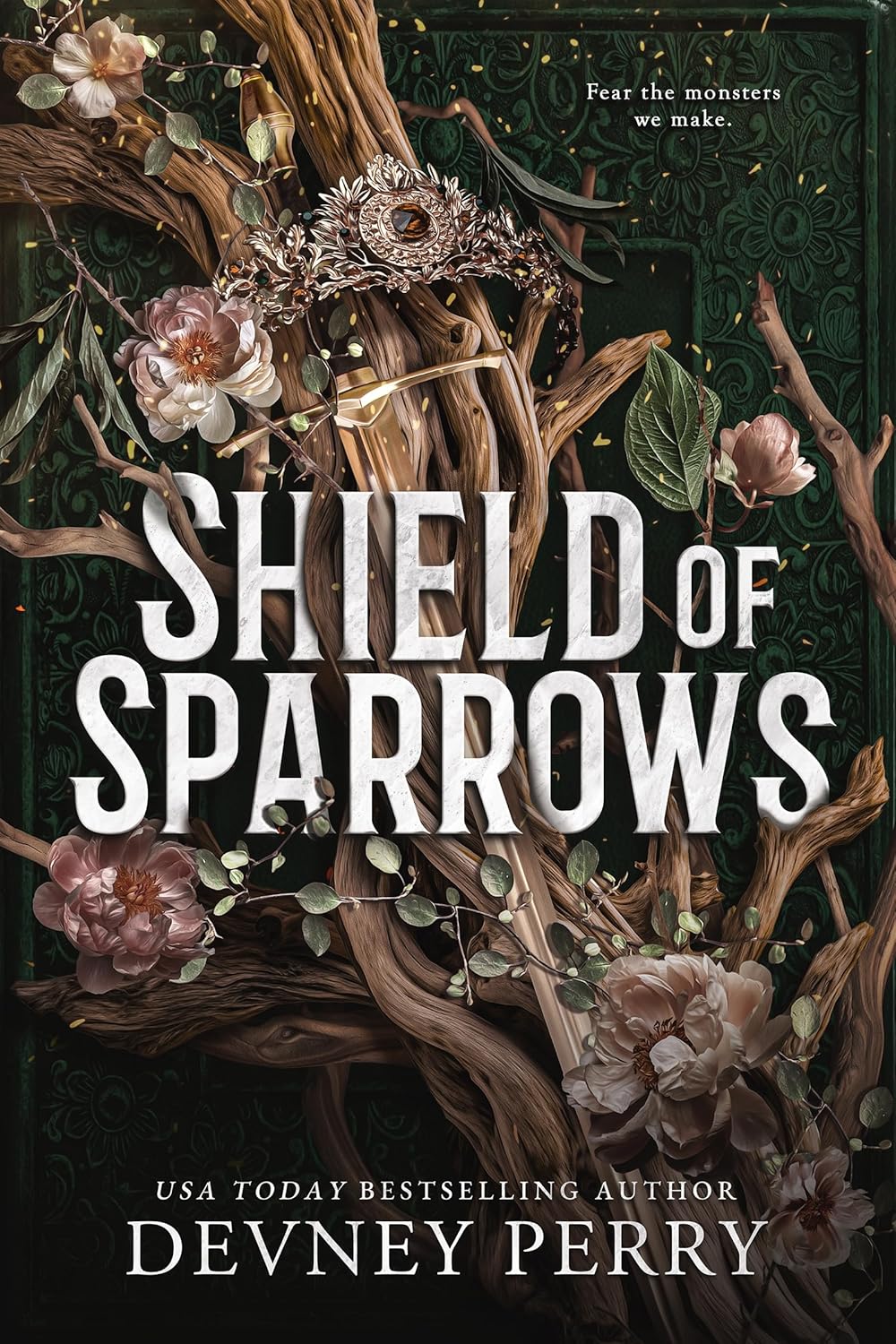
More books with romance and fantasy flooded the market in this period. While there are other popular romance fantasy blends that came on the scene alongside Maas, such as Radiance by Grace Draven (2015) I would argue that the publication of Fourth Wing by Rebecca Yarros, which combines the fantasy favorite of dragons with the BookTok beloved romance trope of enemies-to-lovers really kicked things into gear in 2023. But some other books that made a splash as the genre was forming include From Blood and Ash by Jennifer Armentrout (2020), Gild by Raven Kennedy (2020), The Serpent and the Wings of Night by Carissa Broadbent (2022), Spark of the Everflame by Penn Cole (2023), Powerless by Lauren Roberts (2023), The Wolf King by Laura Palphreyman (2023), Quicksilver by Callie Hart (2024), A Fate Inked in Blood by Danielle L. Jensen (2024), The Knight and the Moth by Rachel Gillig (2025), Shield of Sparrows by Devney Perry (2025), and Alchemised by SenLinYu (2025)

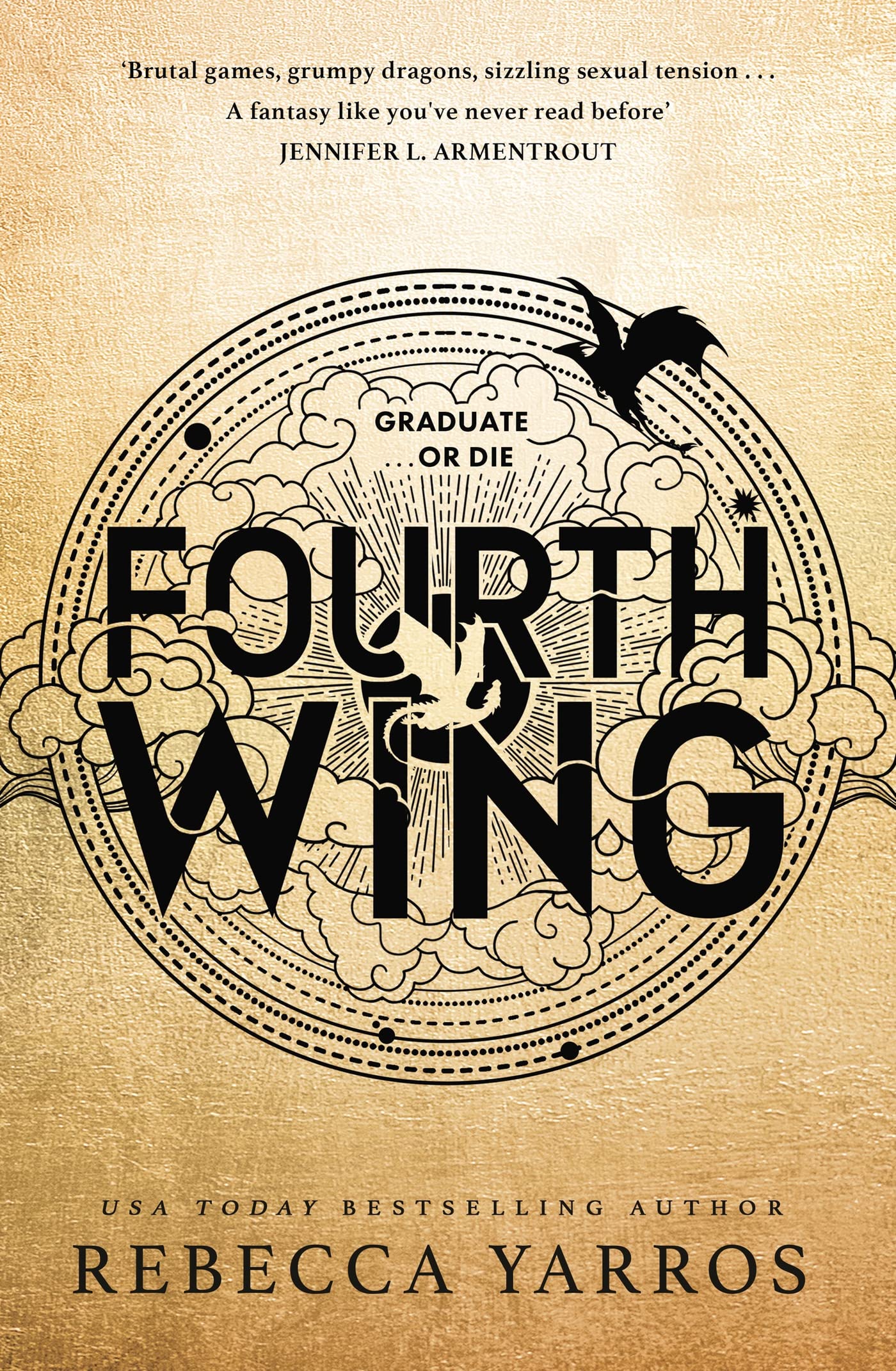
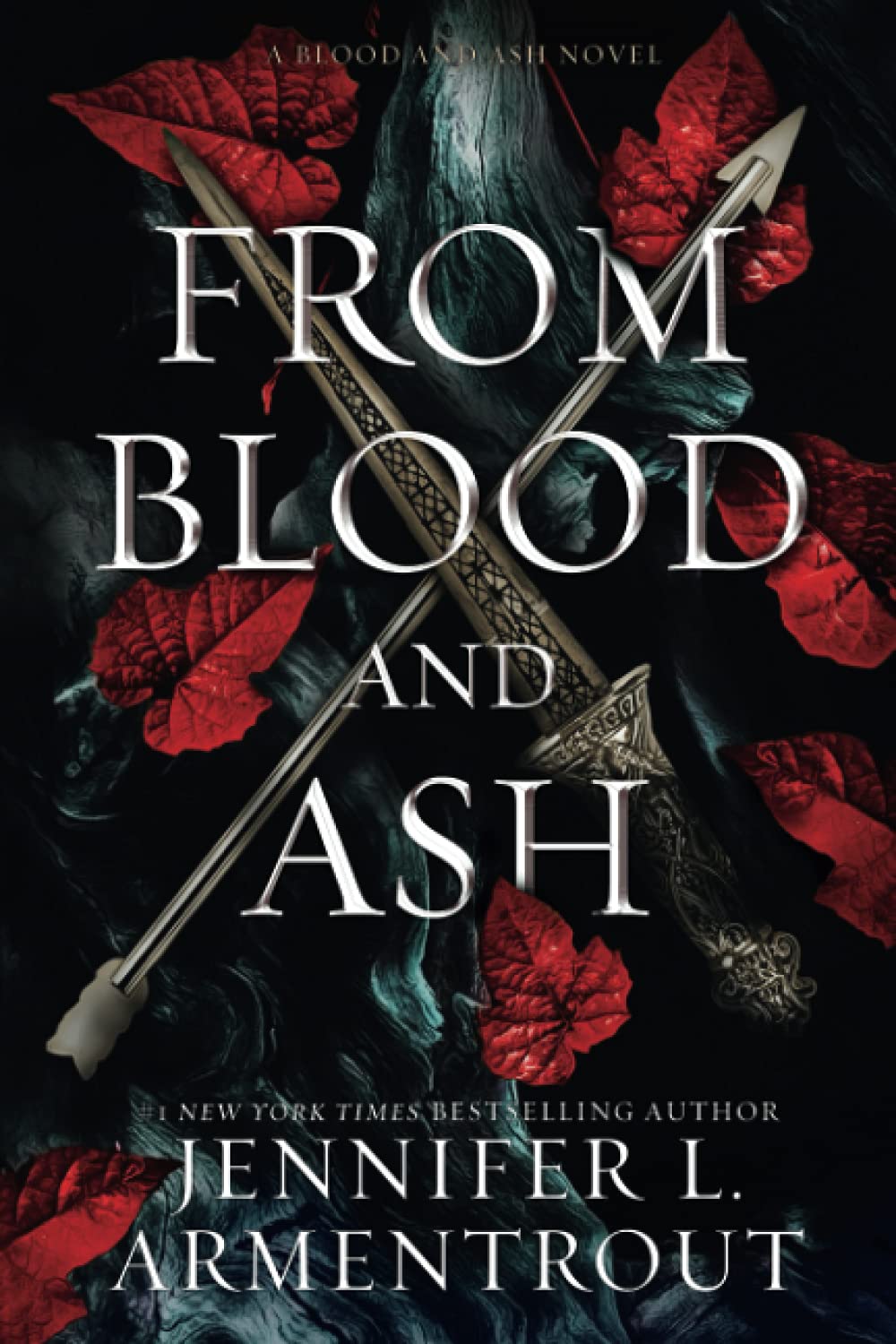

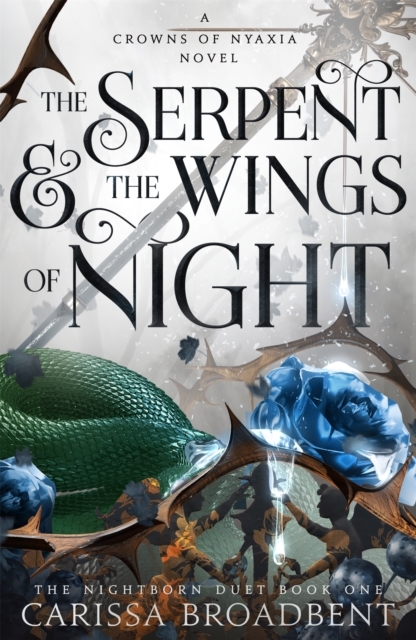

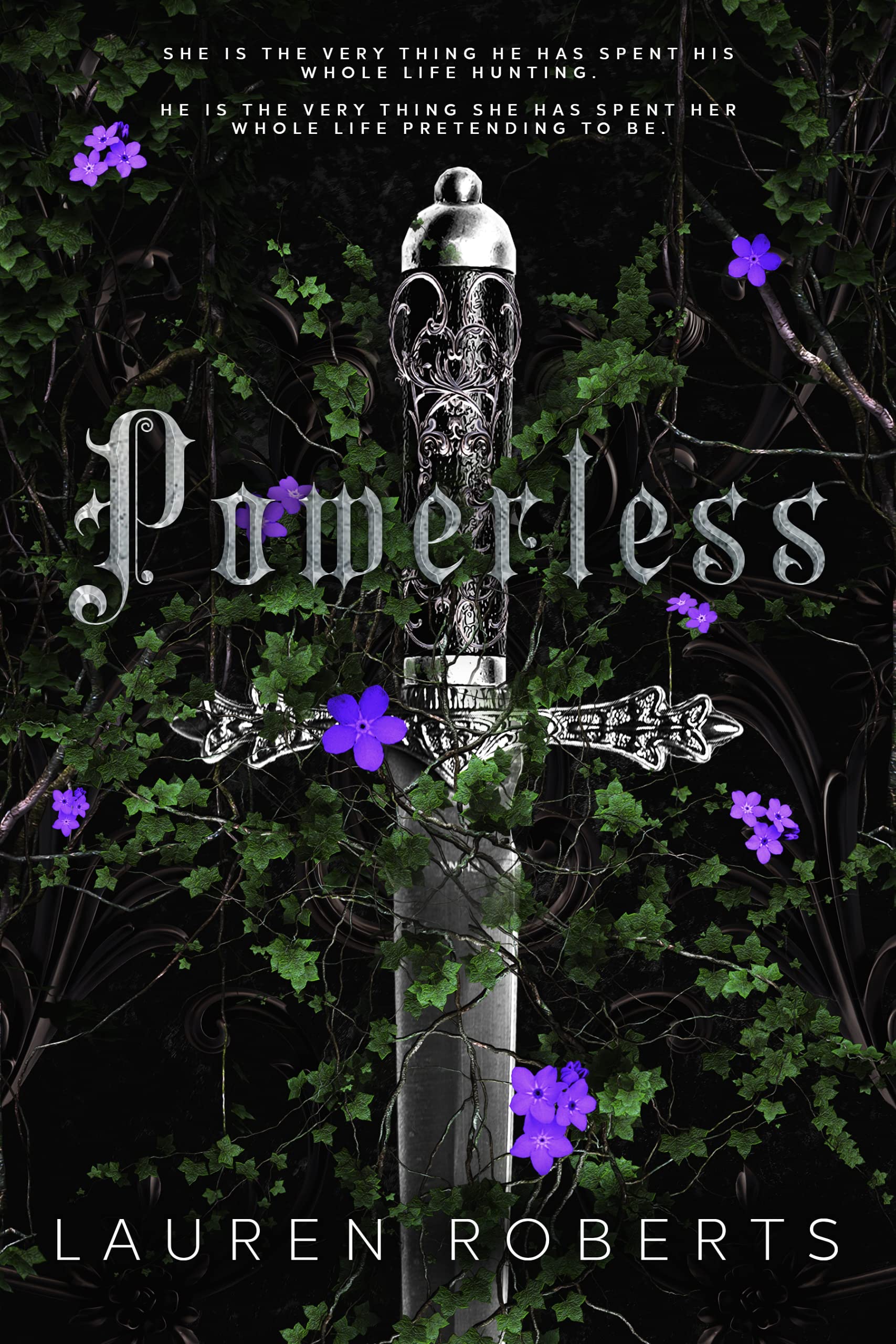
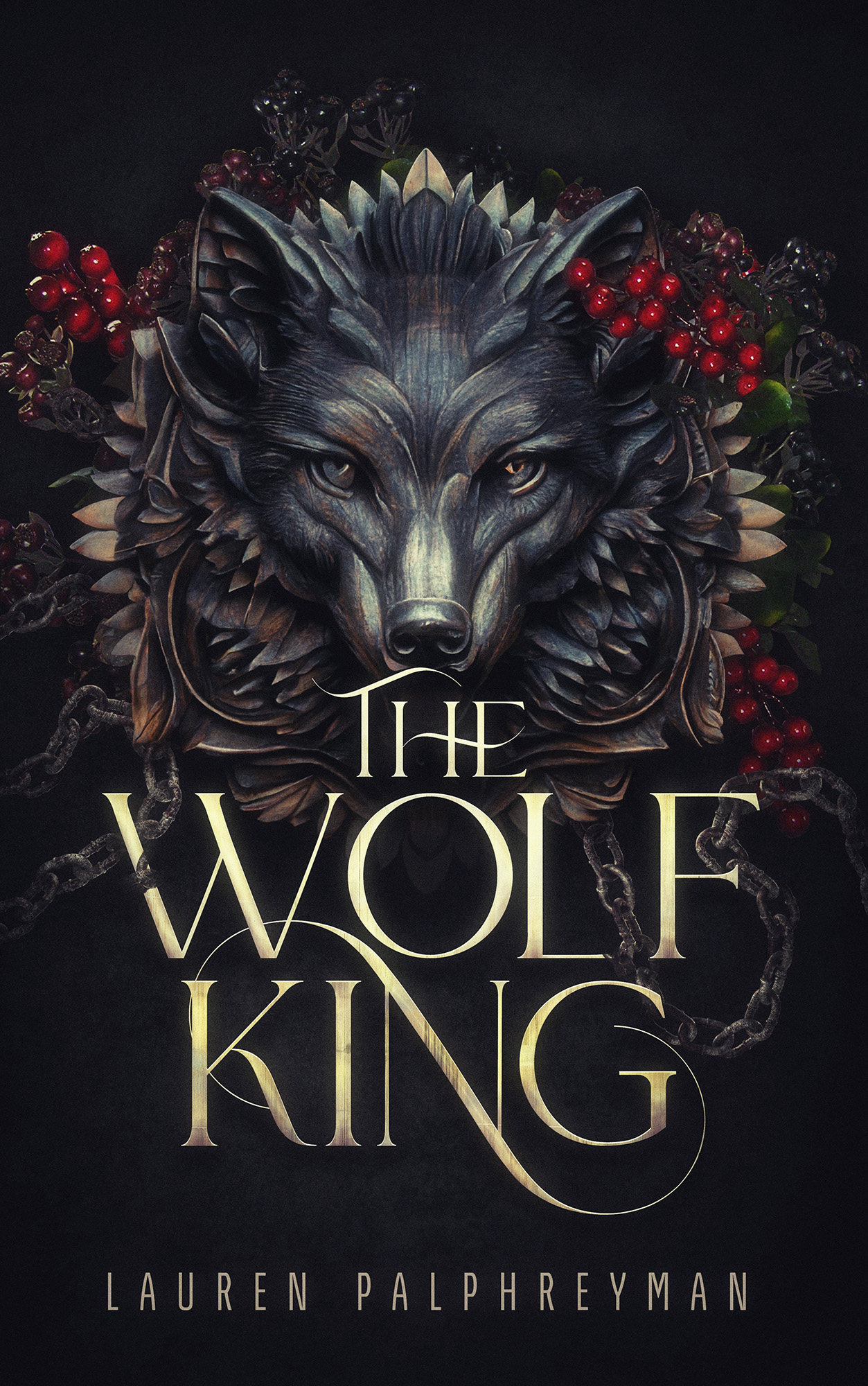
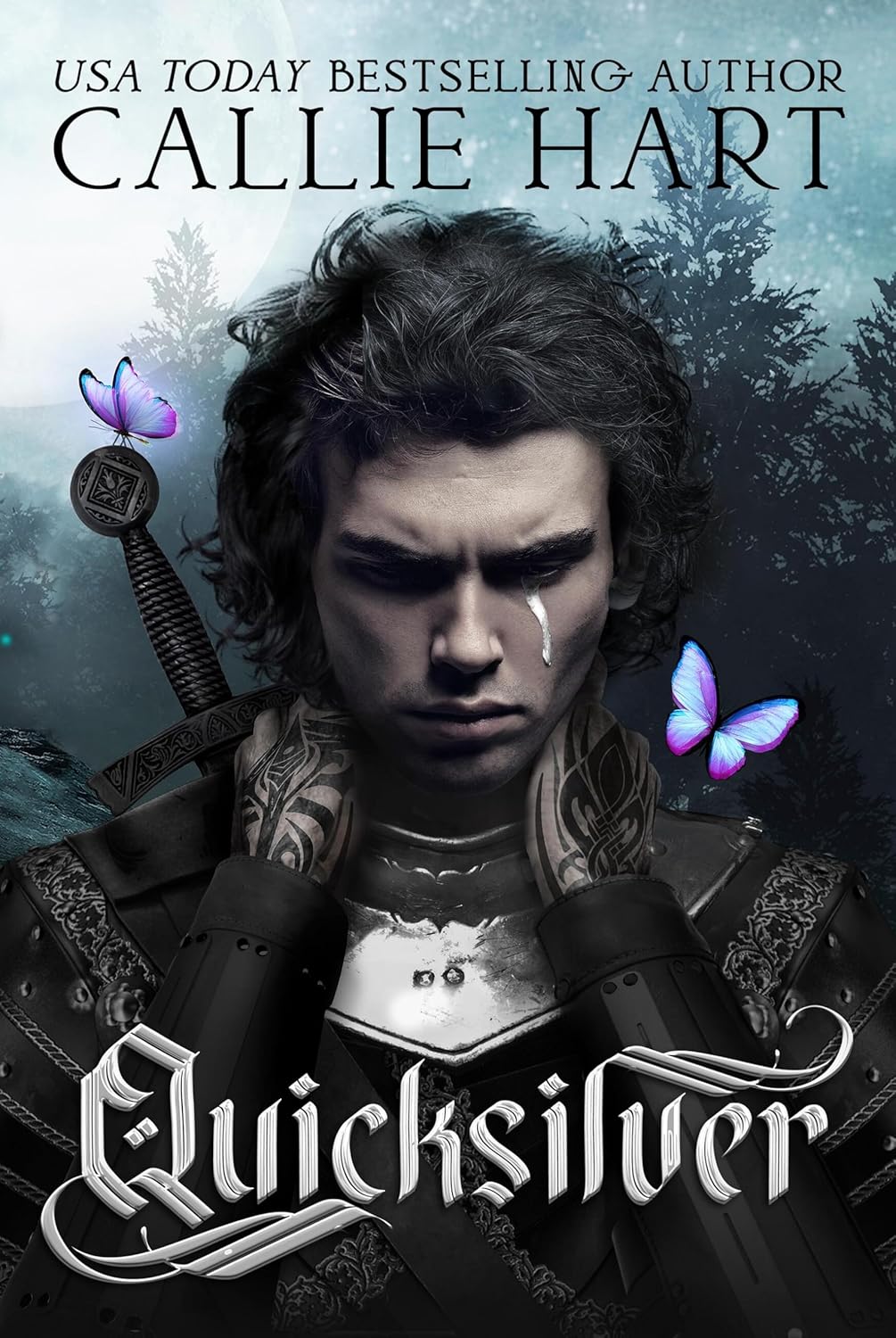

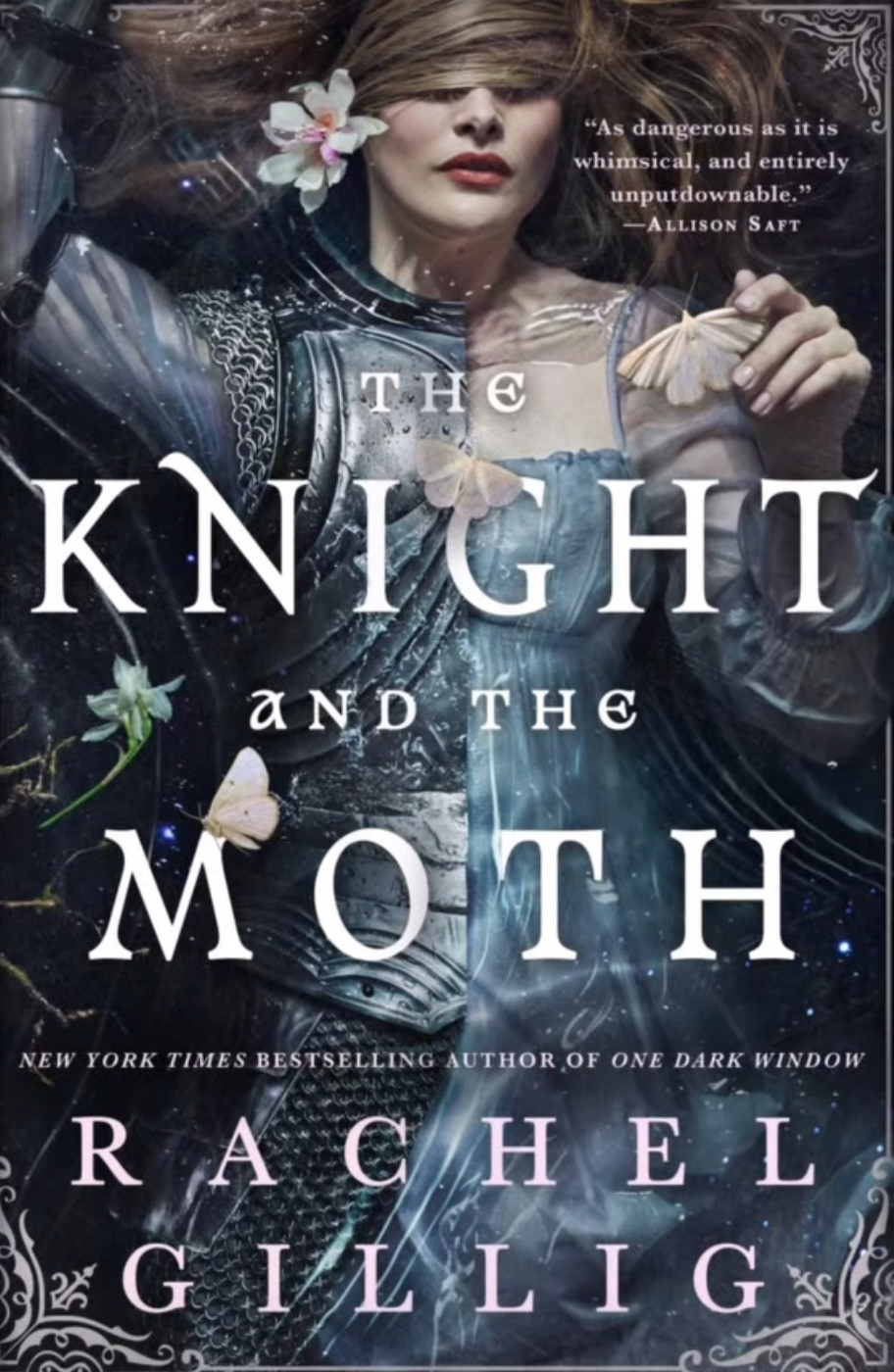
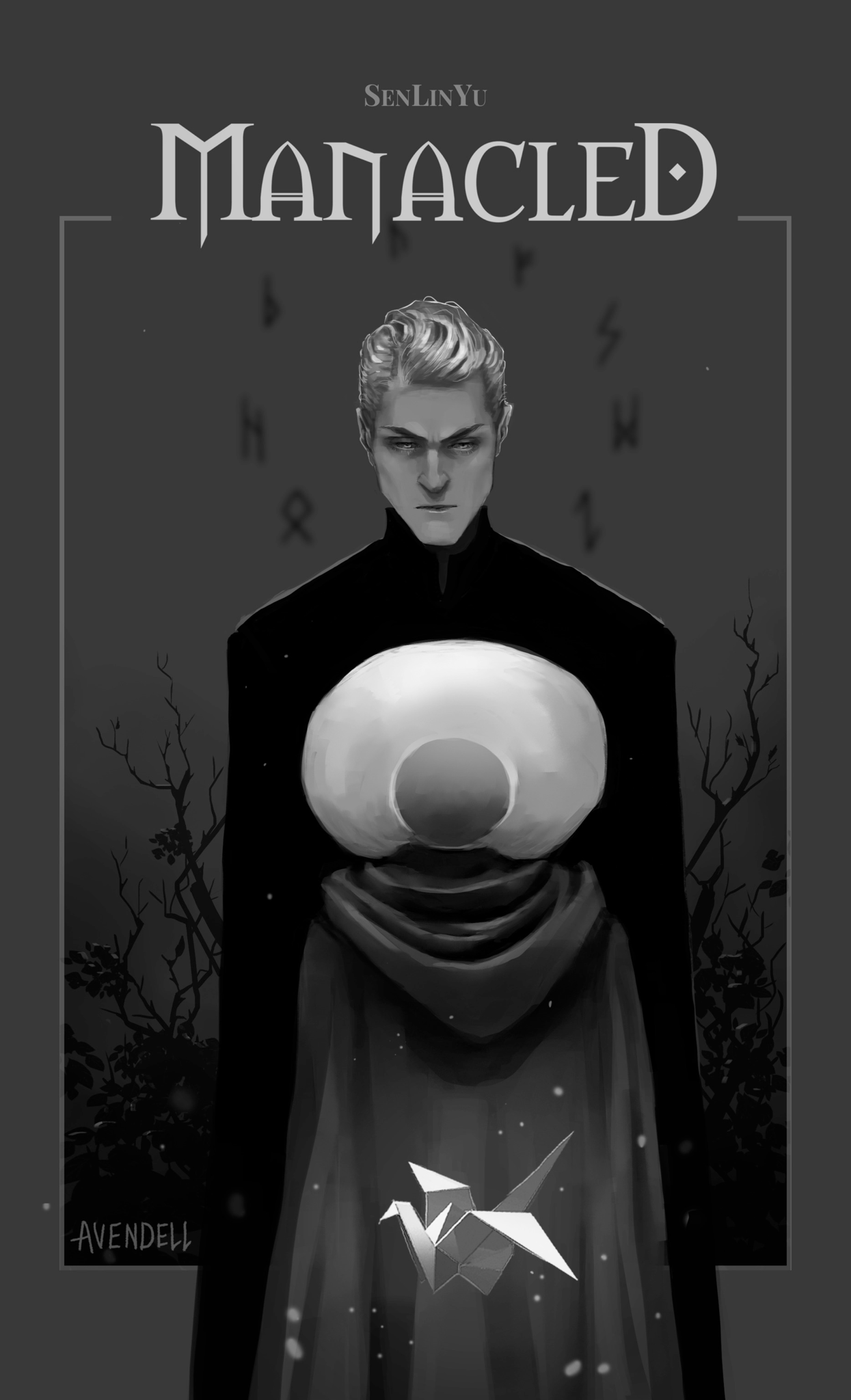
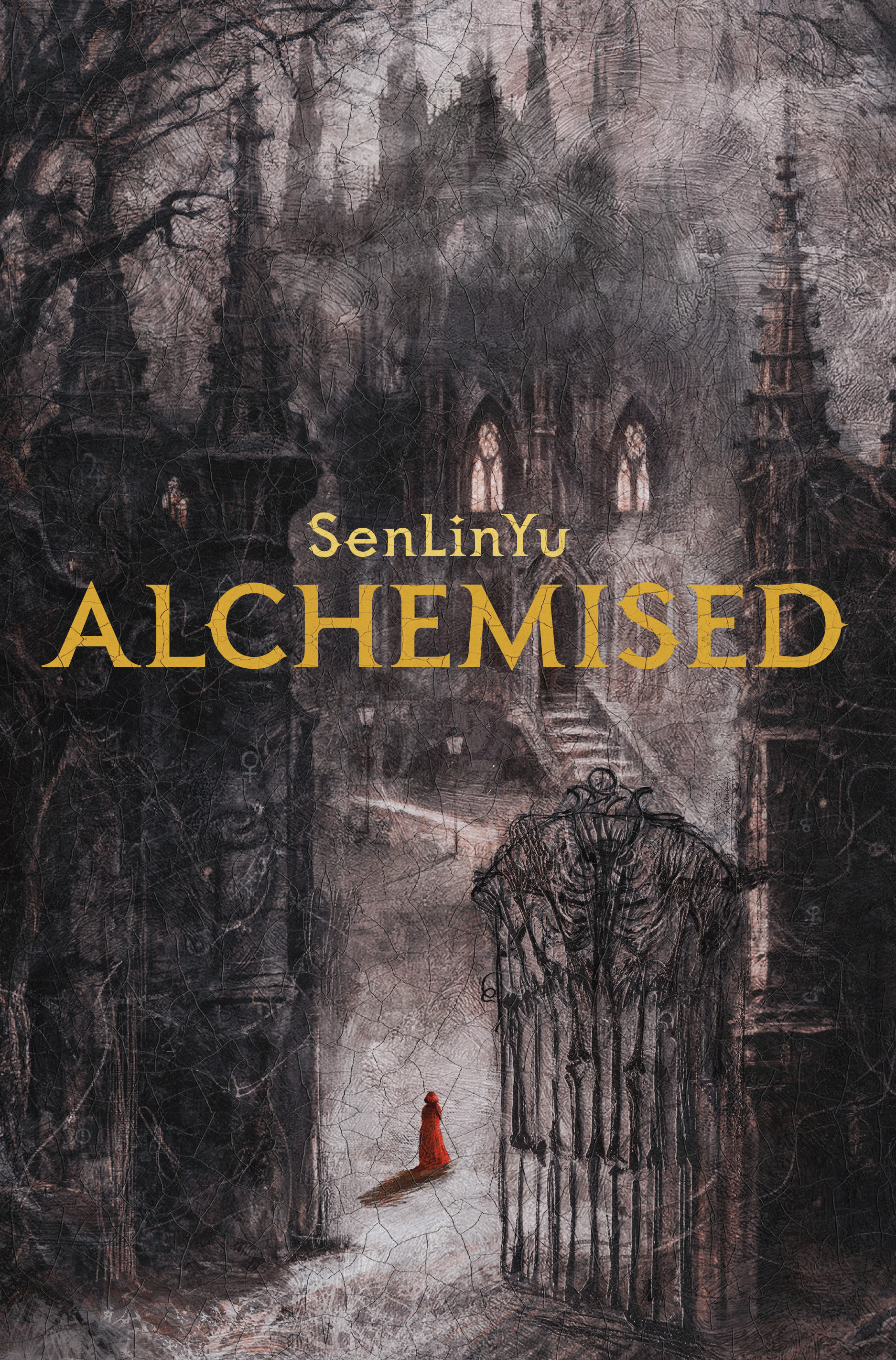
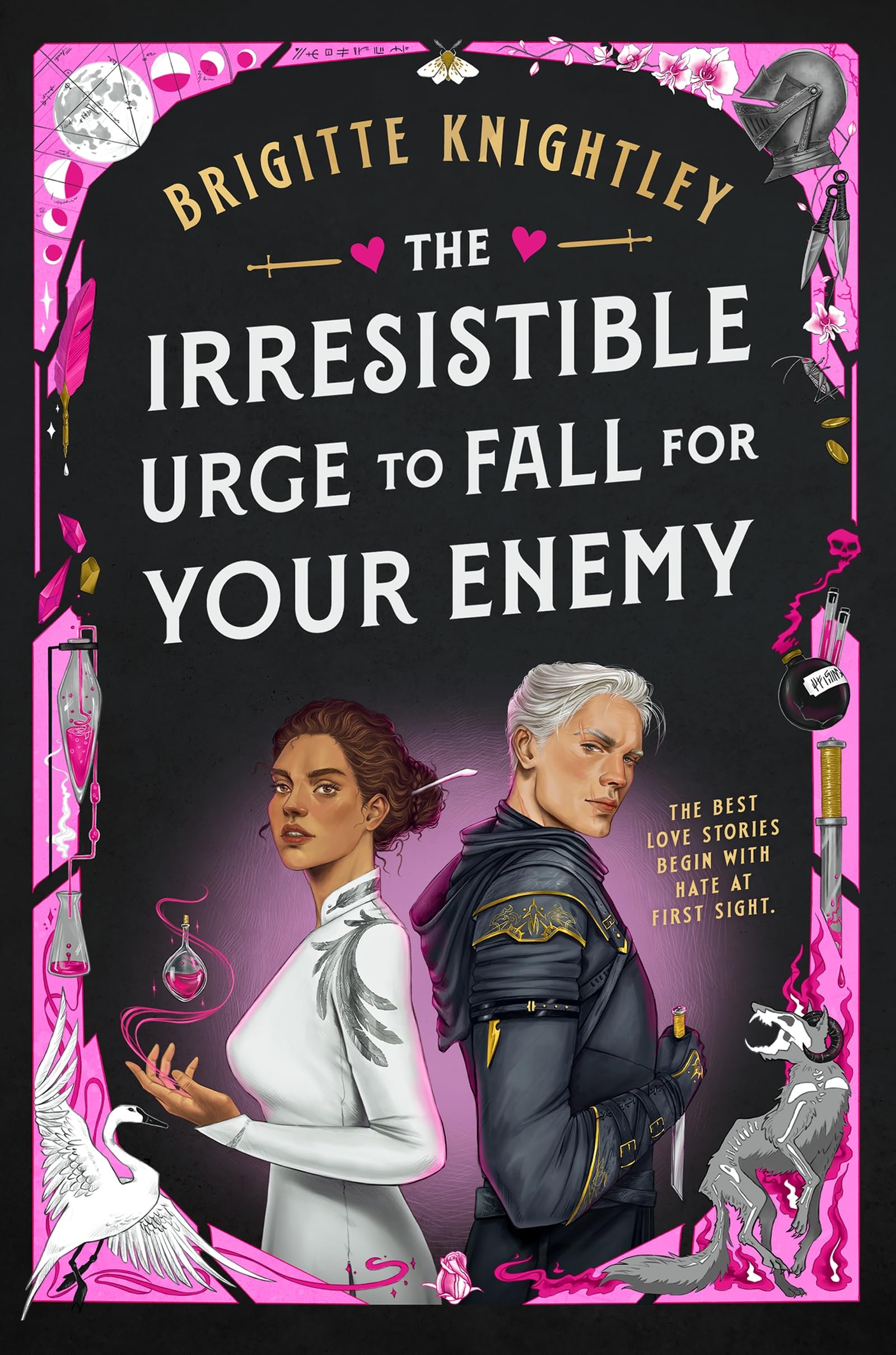
Funny side note: Alchemised and another popular book from 2025, The Irresistible Urge to Fall for Your Enemy by Brigitte Knightley both have their roots deep in one of the springs from which romantasy was birthed: horny grown up Harry Potter readers writing fanfic. Specifically Dramione stories. Fantasy readers who grew up with Harry Potter but longed for more romance — maybe even forbidden romance — ate these stories of good girl Hermione Granger falling for morally gray bad boy Draco Malfoy.
Harry Potter fanfic → Romantasy
 →
→ 
 →
→ 
What’s interesting to me about romantasy is that writers took whichever pieces of the fantasy toolkit and the romance trope bag that they loved best. For many (whether by inclination or a desire to cash in on Maas’s popularity) it seems to be fae heroes and the dark lure of faerie lands plus the romance tropes of enemies-to-lovers and morally grey heroes. But some dipped into fantasy’s monster bag for vampires, werewolves or ghosts as heroes. From romance, in addition to enemies-to-lovers, we see a fair amount of the grumpy/sunshine trope, fated mates, marriage of convenience, and love triangles. The different ways authors borrow from the genres in blends like romantasy is one of my favorite things about genreblending. It helps readers follow their favorite genre storylines, tropes, and conventions into a new blend. A fan of MM romance might gravitate to Freya Marske’s books, like Swordcrossed. Dark romance readers can find dark romantasies like Kaylie Smith’s Phantasma, while romantic comedy readers might gravitate to a lighter, humorous book like That Time I Got Drunk and Saved a Demon by Kimberly Lemming or one with plenty of banter like Assistant to the Villain by Hannah Nicole Maehrer. The genre, as it grows, has room for many different storytelling styles. The best blends don’t just use the fun set dressing of the genres they combine, however. In the best books the author understands the roots of the genres and why certain tropes appeal to readers. It will be interesting to see if romantasy continues to be as popular as it is today. While an absolute ton of books get shoehorned into the category to take advantage of the fans, it certainly looks like this is a genre blend that will continue even after BookTok moves on.
The reason I’m not afraid that romantasy will ever entirely disappear is because blending of the genres of fantasy and romance is nothing new. After all, the addition of a love story to any genre adds depth to characterizations and emotional stakes to any plot. But early fantasy romantic plotlines were honestly more likely to be tragic doomed romances where the female characters were placeholders for the idea of an end to conflict and a home to go back to. The love interests were just as likely to be a bone to be fought over by rival characters. There are a lot of love triangles in romantasy! But while some classics of the fantasy have romantic plotlines, most would not be considered super satisfying to the romance reader who expects a “happy ever after” (HEA) for romantically entangled characters. Think George R.R. Martin’s idea of romance, which range from incest to a frankly even squickier rape-to-love arc for one pairing. The Wheel of Time series has romance triangles (quadrangles?) but they are not what most would call truly romantic plots.
Things get better when female fantasy authors get more prominent on the scene. Classic fantasy by Sharon Shinn, Lois McMaster Bujold, Tasha Suri, Mercedes Lackey, Juliet Marillier, Jacqueline Carey, and Robin Hobb have all had much more finesse in incorporating romance into their fantasy stories without sacrificing the core fantasy enjoyment. So to close out my overview of Romantasy, I’d like to play homage to some of the romantic fantasy books that I see as forerunners of this genre. I’d love more readers to dip into the rich history of this “new” genre and pick up of one of these classics:
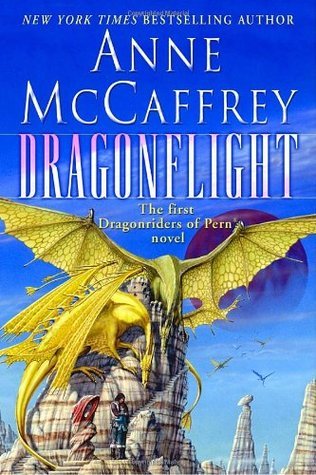


Dragonflight by Anne McCaffrey (1968): The worldbuilding is top-notch (I can probably still draw a map of Pern in my head) and Fourth Wing fans will enjoy how dragon riders Lessa and F’lar navigate their romance while telepathically bonded to their dragons.
Daughter of the Blood by Anne Bishop (1998): Dark romance readers will enjoy the edge of violence and corruption that comes with this series. Book one centers on a witch at the heart of a prophecy and the various forces who want to control her. I’m a HUGE fan of Bishop’s Others series, but this one has a ton of fans as well.
Daughter of the Forest by Juliet Marillier (1999): Based on a Celtic myth, the historical Irish setting is catnip for historical fantasy fans, but the added romance bonus is when the heroine’s quest to break a curse on her brothers brings her into the orbit of a man who becomes her captor-turned-love interest.
Kushiel’s Dart by Jacqueline Carey (2001): For romantasy fans who lean harder in the fantasy direction. Kushiel becomes a courtesan and a spy in a world where the gods have marked her to experience pain as pleasure. Sounds kinky, but it’s a gorgeous book.
Poison Study by Maria V. Snyder (2005): A heroine marked for death evades execution by accepting the post of poison tester for the crown. This reprieve puts her in the heart of a dangerous court and the crosshairs of the kingdom’s spymaster. The series has 6 books and some filler novellas, but this first volume stands alone just fine.
Lord of the Fading Lands by C.L. Wilson (2007): A romance between a fey king and a mortal woman, this is fated mates for the romance crowd and a good-versus-evil battle for the kingdom for fantasy fans. First in a series of 5 books.
Graceling by Kristin Cashore (2008): Yes, it’s YA, but honestly the heroines of romantasy always skew young. The heroine here has a rare, killing skill that steers her destiny away from the life of privilege she should have had. It can’t prevent her from falling for a royal prince, though.
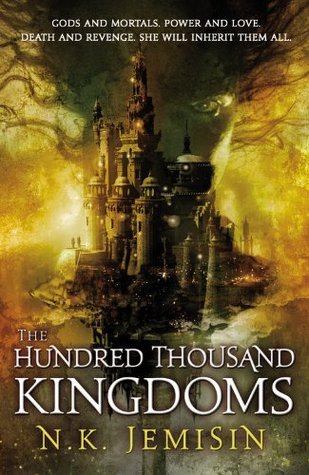
The Hundred Thousand Kingdoms by N.K. Jemisin (2010): After her mother dies, a woman from the barbarian outskirts of the kingdom is summoned to the capital and learns she is the heir to the throne. The court politics are vicious, the gods are invested in the power struggle, and one god in particular might be her destiny.
In my next post, I’ll dive into what I think makes romantasy different from paranormal romance, and some books that might appeal to both crowds.
 The series starts with



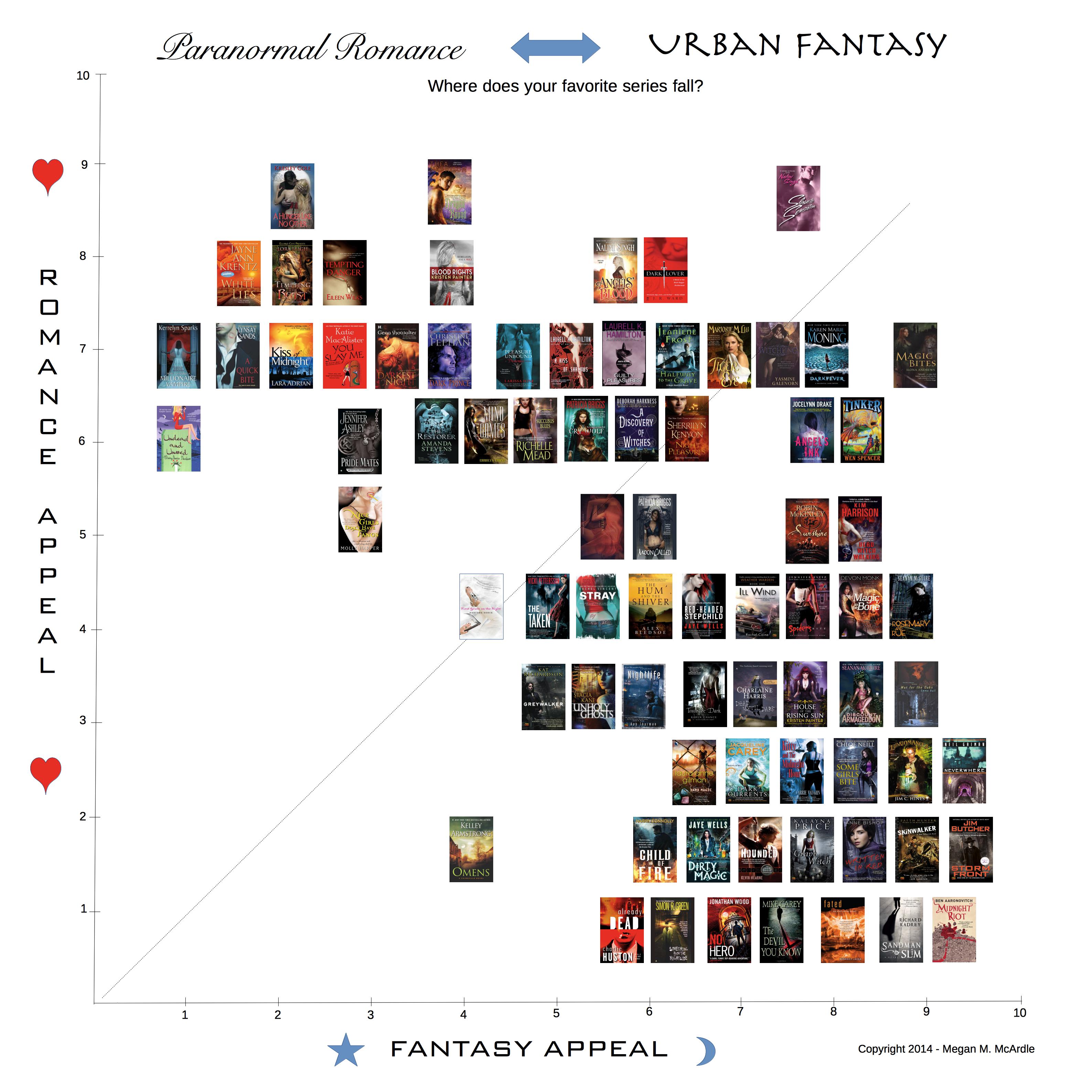
 ), urban fantasy is technically a subgenre of fantasy, and paranormal romance is a subgenre of romance (just as the names imply!), but the reading reality has always seemed more fluid to me. I read a lot of series that fall under one or another of those subgenre headings, and I’ve never been particularly fussy about what label gets printed on the spine. When I was in charge of ordering paperbacks for a library, I was forced to care about this issue, as I would be the one that would decide whether a book went on the “ROMANCE” spinner or the “SF/FANTASY” spinner. And believe it or not I found it surprisingly difficult at times. Sometimes I would violently disagree with the way the publisher had chosen to market a series. Maybe it was a book that had a cover and a subject heading that screamed romance and I thought it would appeal as much (or more) to fantasy fans. Maybe the book was all moody urban fantasy on the outside but all steamy romance between the covers. It was then that I started to think about these books all living on more of a spectrum: all books that shared a real-world, present day fantasy landscape and almost always included a crime/puzzle/mystery plot line. The difference was simply in the amount of romance.